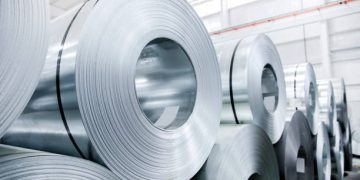






The UK government is reviewing its planned steel import tariff changes following growing concerns from manufacturers that the proposed measures could significantly raise production costs across key industrial sectors.
Officials from the Department for Business and Trade are currently holding discussions with steel trading groups and industry representatives to assess possible adjustments to the policy. These talks are expected to help finalize whether exemptions or targeted relief measures should be introduced for specific industries that rely heavily on imported steel.
Earlier in March, the government announced a major shift in steel trade policy, including plans to double tariffs on imported steel to 50% and reduce import quotas by up to 60%. The measures were designed to strengthen domestic steel production and reduce reliance on foreign supply. The updated framework is set to take effect on 1 July, when existing safeguard rules—originally established during the UK’s time in the European Union—are due to expire.
However, the proposed tariff increases have prompted concern across several sectors, particularly construction, manufacturing, and engineering, where steel is a core input. Industry groups have warned that higher import costs could feed through into higher project expenses, reduced competitiveness, and supply chain pressure, especially for materials not produced in sufficient quantities domestically.
In response, the government has already introduced a temporary three-month transition period on import duties to ease the shift into the new system. This short-term measure has led to discussions on whether a longer adjustment period or more permanent exemptions for certain steel categories may be introduced.
Trade bodies have been actively engaging with policymakers during the consultation period. UK Steel has submitted proposals recommending that specific steel products be removed from the tariff list where domestic production is limited or unavailable. The organization argues that maintaining access to these materials is essential to avoid supply disruptions for downstream industries that cannot easily source alternatives within the UK.
According to industry data, approximately 70% of steel used in the UK is currently imported. The government’s long-term policy objective is to reduce that share to around 50% by encouraging greater domestic production capacity and investment in local steelmaking facilities.
Some steel producers have reported early effects from the policy direction, including increased output levels and the reopening of previously idle production capacity. Industry representatives say this reflects growing confidence in domestic demand, although they also emphasize the importance of maintaining balance so that end-user industries remain competitive.
The British Chambers of Commerce has highlighted widespread concern among businesses about the cumulative impact of tariffs and quota reductions. It notes that companies across multiple sectors have raised issues regarding rising input costs and uncertainty around future supply conditions, and are awaiting clarity on the government’s final decisions.
Separately, the UK government has also been in discussions with international partners regarding parallel developments in steel trade policy, particularly similar safeguard measures being considered elsewhere. Officials have emphasized the importance of ensuring that domestic industries are not disproportionately affected by coordinated shifts in global trade restrictions.
The Department for Business and Trade reiterated that the aim of the policy is to strike a balance between supporting domestic steel production and maintaining reliable supply chains for industries dependent on imports. It also confirmed that the measures will be subject to a formal review after 12 months to assess their effectiveness and broader economic impact.
For now, negotiations remain ongoing, with final decisions on tariff exemptions and implementation details expected ahead of the 1 July deadline.
#SteelTariffs #UKTradePolicy #ManufacturingCosts #SupplyChainNews #IndustrialPolicy