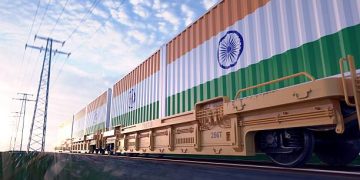






India has introduced eight new rail freight reforms aimed at modernizing logistics operations, lowering transportation costs, and strengthening supply chain efficiency as part of a broader initiative to build a more resilient and sustainable freight network.
The latest measures expand ongoing efforts to improve rail-based cargo movement through simplified freight policies, increased private sector participation, digital infrastructure, and modernized transportation systems. The reforms are expected to support faster cargo movement while encouraging a greater shift of freight from road to rail, reducing logistics costs and carbon emissions.
A key focus of the initiative is the adoption of cleaner freight solutions through the use of enclosed container systems for transporting industrial materials. The new approach is designed to minimize dust emissions, improve cargo handling, enhance storage efficiency, and support safer logistics operations across industrial supply chains.
The reforms also simplify freight pricing for agricultural inputs, making rail transportation more flexible and efficient. Expanded containerization will allow cargo to be distributed according to local demand, reducing delays, protecting products from weather-related damage, and improving inventory management throughout the supply chain.
To encourage investment in multimodal logistics, the government has introduced a unified nationwide operating framework for container train services, replacing a more complex licensing structure. The streamlined system is expected to attract greater private participation, expand containerized freight services, and improve cargo connectivity across the country.
Additional measures support the transportation of petroleum products by allowing greater flexibility in the use of specialized freight wagons, enabling more efficient movement of energy supplies while reducing operational risks across fuel supply chains.
The reform package also includes improvements to infrastructure delivery through stronger project management standards, digital land acquisition systems, and updated construction practices designed to accelerate railway development and reduce project delays.
Innovation is another key element of the modernization program, with new policies allowing the development of customized freight wagons tailored to different industries and commodities. At the same time, expanded workforce training and digital certification programs aim to improve technical skills, enhance construction quality, and support the long-term growth of India’s logistics sector.
By modernizing freight operations, expanding private investment, and promoting environmentally sustainable transportation, the reforms are expected to strengthen India’s supply chain resilience, improve cargo efficiency, and enhance the country’s competitiveness in domestic and international trade.
#SupplyChain #Logistics #RailFreight #Transportation #Freight #SupplyChainResilience #Infrastructure #DigitalLogistics #MultimodalTransport #SustainableLogistics #Trade #Cargo #Railways #IndustrialGrowth #SmartLogistics