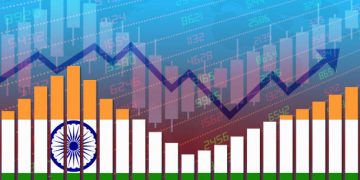




The United States has implemented a 50% tariff on Indian exports, placing one of its key Indo-Pacific partners among the countries facing the steepest trade barriers globally. The move is expected to affect a wide range of Indian export-driven industries, from textiles and gems to seafood, potentially impacting economic growth in the world’s fifth-largest economy.
In response, Prime Minister Narendra Modi has unveiled plans to ease the burden through tax reforms and a push for greater self-reliance. During his Independence Day address from Delhi’s Red Fort, Modi urged businesses to highlight “Made in India” products and encouraged citizens to support domestic industries. “We should become self-reliant – not out of desperation, but out of pride,” he said.
The government is preparing a series of tax measures, including cuts to income tax and a proposed overhaul of the goods and services tax (GST) system. Analysts estimate the GST reforms could amount to as much as US$20 billion in relief, aimed at boosting household consumption, which makes up nearly 60% of India’s GDP.
Experts suggest that simplified tax rules could stimulate demand in consumer-focused sectors such as automobiles, garments, and construction materials. Investment banks including Morgan Stanley and UBS note that the reforms may help counterbalance global trade headwinds by encouraging domestic spending, potentially lifting growth while easing inflation pressures.
India’s central bank, which has already reduced interest rates by one percentage point this year, may also find room for further cuts if tax revenues remain strong. Additionally, salary hikes for nearly five million government employees and millions of pensioners, scheduled for early next year, are expected to support consumer demand.
Despite the uncertainties created by shifting trade dynamics, India’s stock markets have reacted positively to the government’s announcements. Earlier this month, the country received its first sovereign rating upgrade in 18 years from S&P Global, a development that could reduce borrowing costs and attract additional foreign investment.
However, challenges remain. Growth has slowed from the 8% levels seen in recent years, and ongoing tariff-related pressures continue to weigh on external demand. While India’s policy focus has shifted toward strengthening its domestic base, the durability of this strategy will depend on how effectively it can balance reform, investment, and trade diversification.
#TradePolicies #TariffsAndDuties #GlobalTrade #SupplyChainNews #NewsUpdate