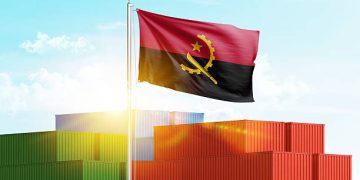







Angola is strengthening its position as a regional trade and logistics hub as investments in ports, terminals, and transportation infrastructure help create a more integrated supply chain network across the country.
The development of the Lobito Corridor has become a key driver of Angola’s logistics transformation, connecting port operations, freight services, and distribution platforms to support growing regional and international trade flows. The corridor is improving cargo movement efficiency and creating new opportunities for industries seeking reliable logistics solutions.
Recent investments in logistics equipment, infrastructure upgrades, and operational improvements are helping expand supply chain capabilities throughout Angola. The country’s logistics sector is also evolving beyond traditional freight services, with providers increasingly offering end-to-end solutions that connect cargo from origin to final destination.
Growing economic diversification is driving demand across multiple industries, including energy, mining, agriculture, technology, chemicals, and consumer goods. As trade activity expands, stronger logistics networks are expected to improve market access, support exports, and enhance regional connectivity.
Workforce development is also becoming a key focus, with training initiatives aimed at building local expertise and preparing skilled professionals to support the growth of Angola’s logistics ecosystem.
With continued investment in strategic trade routes, infrastructure, and supply chain services, Angola is positioning itself as an important logistics gateway linking African markets with global commerce.
#AngolaTrade #LogisticsDevelopment #SupplyChainResilience #AfricaTrade #PortInfrastructure #GlobalCommerce


