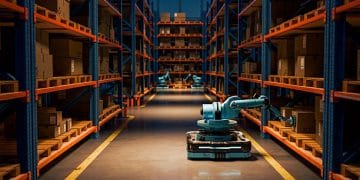







Warehouse automation is moving beyond storage and packaging, with robotic vehicles now handling the final stage of loading goods onto trucks. This development highlights how technology is helping businesses streamline logistics, improve workplace safety, and strengthen supply chain efficiency.
At a major manufacturing facility in Italy, laser-guided vehicles transport pallets directly from the dispatch area into truck trailers. Automated dock equipment keeps vehicles securely positioned during loading, reducing the need for manual pallet handling inside trailers.
The system also integrates with existing warehouse infrastructure, showing how businesses can expand automation without rebuilding entire facilities.
The benefits extend beyond warehouse operations. Previous investments in storage capacity at the site reportedly eliminated more than 3,000 truck journeys annually between the facility and external warehouses, demonstrating how smarter inventory management can reduce unnecessary freight movements.
With more than 100 laser-guided vehicles operating at the facility, automation is becoming an increasingly important part of managing large-scale material flows, from receiving raw materials to dispatching finished goods.
As logistics technology advances, connecting warehouse systems with loading docks and transportation networks could help businesses improve operational coordination, reduce manual handling, and create more reliable freight processes.
The shift towards automated loading highlights a broader supply chain trend: improving efficiency requires optimising not only how goods are stored and transported, but also how they move between each stage of distribution.
#SupplyChain #WarehouseAutomation #Logistics #Robotics #FreightTransport #SupplyChainEfficiency #SmartWarehousing #GlobalTrade