


• Latest
  • Trending
  • All
  • Industry
  • Compliance
  • Global Trade
  • Industry
  • Sustainability & Ethics
  • Video
  • Security & Risk
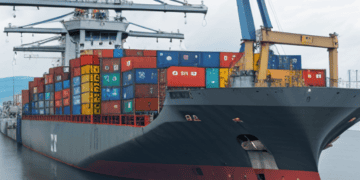
Container ship docked at port, illustrating EU supply chain challenges. - Supply Chain News

Strengthening the European Union’s Response to Supply Chain Challenges

02/06/2024
China Resumes Canadian Canola Imports After Trade Tensions Ease

China Resumes Canadian Canola Imports After Trade Tensions Ease

01/29/2026
Port of Montreal Posts Container Growth in 2025 Despite Global Trade Uncertainty

UAE Logistics Network Expands Pakistan Shipping Options Through New Partnership

01/29/2026
UK Rail Freight Interchange Project Seeks Government Decision Amid Infrastructure Debate

Saudi Rail Authority Issues Tender for 10 New Passenger Trains to Boost Northern Network Capacity

01/29/2026
U.S. Trade Gap Nearly Doubles in Latest Data as Imports Outpace Exports

U.S. Trade Gap Nearly Doubles in Latest Data as Imports Outpace Exports

01/29/2026
U.S. Truck Parking Expansion Funding at Risk Amid Congressional Budget Battle

U.S. Truck Parking Expansion Funding at Risk Amid Congressional Budget Battle

01/29/2026
U.S. Weekly Rail Traffic Falls 4% as Intermodal and Carload Moves Slow Early in 2026

U.S. Major Rail Carrier to Submit Revised Merger Application in March After Regulatory Setback

01/29/2026
Global EV Market’s Continued Renaissance

New Truck‑to‑Air Multimodal Service Emerges on Asia–Europe Trade Lane

01/29/2026
Transportation Mergers & Acquisitions Set to Rise in 2026 as Deal Activity Heats Up

U.S. Trucking Regulator Stands Firm on Foreign Driver Rules Despite Multi‑State Pushback

01/30/2026
UK Postal Delays Over Christmas Hit Highest Levels in Five Years, Consumer Watchdog Warns

UK Postal Delays Over Christmas Hit Highest Levels in Five Years, Consumer Watchdog Warns

01/29/2026
Global Survey Shows 60% of Executives Prioritise Cyber Risk as Strategic Threat

Global Survey Shows 60% of Executives Prioritise Cyber Risk as Strategic Threat

01/29/2026
Electric Truck Fleet Expansion in Japan Highlights Logistics Decarbonisation Push

Canadian Trucking and Logistics Sector Loses Nearly 17,000 Jobs in December

01/30/2026
Parcel Network Reaches 90% Automation Target, Boosting Processing Capacity

Supply Chain Disruption Is Prompting Strategic Shifts Across the Americas

01/29/2026
supplychainreport
Wednesday, February 4, 2026
  • Home
  • Industry
    • Supply Chain
    • Logistics & Transportation
    • Importing & Exporting
    • Manufacturing
    • Warehousing & Distribution
  • Compliance
    • Supply Chain Transparency
    • Anti-Money Laundering (AML)
    • Know Your Customer (KYC)
    • Risk Management
    • Export Controls
    • Sanctions
  • Global Trade
    • Market Trends
    • Economic Indicators
    • Sourcing
    • Trade Policies
    • International Relations
    • Trade Agreements
    • Tariffs & Duties
    • Import/Export Statistics
  • Luxury Goods
  • Industry
    • Blockchain in Supply Chain
    • Importing & Exporting
    • Automation & Robotics
    • Artificial Intelligence in Trade
    • Data & Analytics
  • Sustainability & Ethics
    • Green Supply Chains
    • Sustainable Logistics
    • Ethical Sourcing
    • Corporate Social Responsibility
    • Environmental Policies
  • Security & Risk
    • Cybersecurity in Trade
    • Fraud & Scams
    • Risk Mitigation
    • Security Protocols
    • Data Protection
  • ITC News
    • ITC Featured Members
    • ITC Business Councils Highlights
  • Events
    • Upcoming Conferences
    • Upcoming FREE Educational Webinars
No Result
View All Result
supplychainreport
No Result
View All Result

Strengthening the European Union’s Response to Supply Chain Challenges

by Richie
02/06/2024
in Global Trade

YOU MAY ALSO LIKE

China Resumes Canadian Canola Imports After Trade Tensions Ease

U.S. Trade Gap Nearly Doubles in Latest Data as Imports Outpace Exports

In a significant development aimed at bolstering the resilience of supply chains within the European Union, the European Commission has unveiled the Single Market Emergency Instrument. This strategic move is designed to enhance the EU’s capabilities in managing supply chain disruptions, drawing inspiration from similar initiatives previously undertaken by global counterparts such as the United States and Japan.

The genesis of this initiative can be traced back to the challenges encountered during the COVID-19 pandemic, notably the dispute with pharmaceutical giant AstraZeneca regarding delays in vaccine distribution across the EU’s 27 member states. This situation underscored the critical need for a more robust framework to navigate supply chain emergencies effectively.

Despite the ambitious goals of the European Commission’s proposal, the negotiation process led to a moderation of certain measures, reflecting concerns raised by the business community. These concerns centered around the potential for the proposed regulations to compel companies to void existing commercial contracts and disclose proprietary information, thus sparking a debate on balancing regulatory oversight with business autonomy.

The finalized political agreement introduces a system where the Commission possesses the authority to make priority-rated requests for the procurement of essential goods or services during crises. Companies receiving these requests have the discretion to comply, with the provision of liability waivers by the Commission to mitigate any contractual repercussions.

Moreover, the agreement enhances the collaborative procurement capabilities of EU member states, allowing for a unified approach in acquiring goods or services deemed critical in crisis situations. However, it also maintains a balance by permitting companies to decline data requests regarding their inventory levels, provided they furnish a justification for such refusals.

Central to the legislation is the establishment of a three-tier alert system designed to streamline the EU’s response to potential threats. This system delineates specific stages of vigilance and emergency, facilitating a coordinated response from national governments to tackle imminent challenges effectively.

The passage of this legislation marks a pivotal step towards reinforcing the EU’s internal market against future crises. As highlighted by European Parliament negotiator Andreas Schwab, this development signifies a proactive approach to enhancing the EU’s preparedness and resilience in facing supply chain disruptions.

This strategic initiative not only reflects the European Union’s commitment to safeguarding its supply chains but also sets a precedent for international cooperation and adaptability in the face of global challenges. As the EU moves forward with this legislation, the focus remains on building a more secure and transparent supply chain infrastructure, capable of withstanding the complexities of the modern economic landscape.

The implications of this new framework extend beyond immediate crisis management. It underscores a broader shift towards greater transparency and accountability within supply chain operations. By granting the European Commission the power to request data from companies regarding stock levels, albeit with an option for companies to decline if reasons are provided, the EU is signaling a move towards more open and communicative trade practices. This aspect is particularly crucial in an era where supply chain disruptions can have far-reaching effects on economies and societies.

Furthermore, the legislation’s emphasis on joint procurement strategies by EU countries represents a significant step towards enhancing collective buying power and efficiency. This approach not only aims to secure critical supplies during emergencies but also fosters a sense of unity and shared purpose among member states. By pooling resources and coordinating procurement efforts, the EU can achieve better outcomes in terms of cost, quality, and timeliness of essential goods and services.

The establishment of a tiered alert system is another key feature of this legislation, offering a structured and scalable response mechanism to potential supply chain threats. This proactive stance enables the EU to transition smoothly between different levels of readiness and response, ensuring that both governments and businesses can adapt quickly to evolving situations. The tiered system also facilitates better communication and coordination among member states, ensuring a unified approach to managing supply chain risks.

As the European Union embarks on this journey to strengthen its supply chains, the role of dialogue and collaboration with the business community remains paramount. The initial concerns raised by businesses about the potential impact of the legislation on commercial contracts and confidentiality highlight the need for ongoing engagement and consultation. Balancing regulatory objectives with the operational realities and competitive pressures faced by companies will be critical to the success of the Single Market Emergency Instrument.

In conclusion, the Single Market Emergency Instrument represents a forward-thinking approach to supply chain management within the European Union. By addressing the lessons learned from past crises, such as the COVID-19 pandemic, the EU is positioning itself to better manage future disruptions. This legislation not only aims to protect the integrity and functioning of the single market but also contributes to the global conversation on building more resilient and sustainable supply chains. As this new framework is implemented, it will be essential to monitor its impact on businesses, trade flows, and the broader economy, ensuring that
the EU remains a competitive and reliable partner in the global trade ecosystem.

Catch the latest in supply chain news on The Supply Chain Report. Visit ADAMftd.com for free international trade tools.

#EU #SupplyChainResilience #SingleMarketEmergencyInstrument #CrisisManagement #AstraZeneca #EURegulations #Procurement #SupplyChainSecurity #Collaboration #Transparency #EmergencyResponse #BusinessCommunity #Sustainability #EconomicRecovery

ShareTweet

Share Your News

Whether it’s a groundbreaking achievement, a heartwarming tale, or an insightful perspective, we want to hear it. Share your news with us, and let’s amplify your voice in the digital symphony of stories.

Submit

A man is riding a bike on a hill.

The Supply Chain Report is your essential daily news website, serving as a trusted source for comprehensive coverage of the complex and ever-evolving global supply chain dynamics. Our expert team delves into the intricacies of international trade, manufacturing, logistics, importing, exporting, and supply chain management; providing in-depth analysis and up-to-date news on the latest trends, disruptions, and technological advancements affecting industries worldwide. From detailed reports on international trade through to insights into procurement strategies and inventory management, we offer valuable content that helps professionals stay informed and make knowledgeable decisions in a fast-paced market.

Each day, we bring you cutting-edge news and expert commentary that dissect significant international trade and supply chain issues Our coverage spans a wide array of sectors including manufacturing, retail, healthcare, food, consumer goods, and technology, ensuring that no matter your field, you have the strategic information needed to navigate the challenges and opportunities of today’s supply chain landscape. By synthesizing complex data and presenting actionable insights, The Supply Chain Report empowers business leaders, policymakers, and logistics professionals to optimize their operations and drive forward with confidence in an interconnected world.

Connect With Us

  • About
  • Events
  • Privacy Policy
  • Contact Us

© 2024 International Centre for Trade Transparency Limited. Incorporated in the United Kingdom.

No Result
View All Result
  • Home
  • Industry
    • Supply Chain
    • Logistics & Transportation
    • Importing & Exporting
    • Manufacturing
    • Warehousing & Distribution
  • Compliance
    • Supply Chain Transparency
    • Anti-Money Laundering (AML)
    • Know Your Customer (KYC)
    • Risk Management
    • Export Controls
    • Sanctions
  • Global Trade
    • Market Trends
    • Economic Indicators
    • Sourcing
    • Trade Policies
    • International Relations
    • Trade Agreements
    • Tariffs & Duties
    • Import/Export Statistics
  • Luxury Goods
  • Industry
    • Blockchain in Supply Chain
    • Importing & Exporting
    • Automation & Robotics
    • Artificial Intelligence in Trade
    • Data & Analytics
  • Sustainability & Ethics
    • Green Supply Chains
    • Sustainable Logistics
    • Ethical Sourcing
    • Corporate Social Responsibility
    • Environmental Policies
  • Security & Risk
    • Cybersecurity in Trade
    • Fraud & Scams
    • Risk Mitigation
    • Security Protocols
    • Data Protection
  • ITC News
    • ITC Featured Members
    • ITC Business Councils Highlights
  • Events
    • Upcoming Conferences
    • Upcoming FREE Educational Webinars

© 2024 International Centre for Trade Transparency Limited. Incorporated in the United Kingdom.