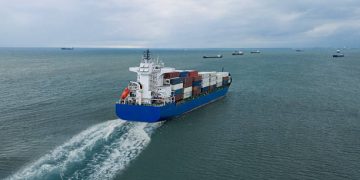






As of June 25, 2026, global logistics networks continue to adjust to a complex environment shaped by geopolitical tensions, shifting trade policies, and evolving supply chain strategies. Ongoing disruptions in key maritime routes, particularly around the Red Sea, have forced shipping companies to reroute vessels, increasing transit times and operational costs. Higher insurance premiums, fuel expenses, and security concerns have added further pressure on carriers and global supply chains.
To maintain reliability, logistics providers are increasingly diversifying transportation routes and investing in alternative corridors. Overland connections across Asia, expanded rail networks, and increased trans-Pacific shipping capacity have become important components of global trade flows. These adjustments are helping businesses reduce dependence on vulnerable routes while improving flexibility in the face of continuing uncertainty.
Trade policy developments are also reshaping logistics decisions. Proposed tariff measures under the United States’ “America First” agenda have encouraged many multinational companies to accelerate nearshoring and friendshoring strategies. As a result, countries such as Mexico and several Southeast Asian economies are attracting significant investment in manufacturing, warehousing, and transportation infrastructure. Companies are seeking to shorten supply chains, reduce geopolitical risks, and maintain access to major consumer markets.
Despite these adaptations, challenges remain. Container availability continues to fluctuate in several regions, while congestion at major ports periodically disrupts schedules and inventory planning. Businesses are also facing rising compliance requirements and increasing pressure to manage supply chain risks more effectively. These factors have made resilience and flexibility central priorities for logistics operators worldwide.
Technology is playing an increasingly important role in addressing these challenges. Logistics companies are investing heavily in digital platforms that provide real-time visibility, predictive analytics, and enhanced shipment tracking. Advanced data tools are helping businesses identify disruptions earlier, optimize routes, improve inventory management, and strengthen decision-making across complex global networks.
Environmental sustainability is also becoming a major focus across the industry. Regulatory initiatives and customer expectations are driving investments in low-emission vessels, alternative fuels, energy-efficient operations, and greener supply chain practices. Many shipping and logistics firms now view sustainability not only as a compliance requirement but also as a competitive advantage in the global marketplace.
Although freight rates have stabilized compared to the sharp increases seen during earlier disruptions, analysts caution that the market remains vulnerable to new geopolitical developments and potential tariff escalations. Any expansion of trade restrictions or further instability in critical shipping corridors could quickly impact transportation costs and delivery schedules.
Overall, 2026 is emerging as a year of strategic adaptation for the logistics sector. With global trade growth projected at a modest 2% to 3%, companies are focusing on building more resilient, diversified, and technology-driven supply chains capable of navigating an increasingly fragmented and unpredictable global trading environment.
#Logistics #SupplyChain #GlobalTrade #ShippingDisruptions #Nearshoring