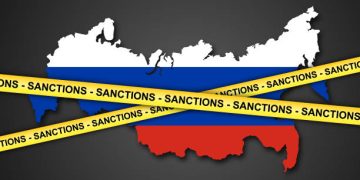







The European Union is considering a new sanctions package that would add approximately 80 entities and individuals to its existing sanctions list, according to EU foreign policy chief Kaja Kallas. The proposal was discussed during an informal meeting of EU defence ministers held in Cyprus and forms part of the bloc’s ongoing review of economic and financial measures.
Kallas stated that the proposed listings would focus on organizations and individuals linked to Russia’s military-industrial sector, as well as those accused of human rights violations and disinformation activities. If approved, the measures would further expand one of the largest sanctions frameworks currently in place.
According to EU estimates cited by Kallas, existing sanctions have already imposed significant economic costs, with the overall impact on the Russian economy estimated at between $1.2 trillion and $1.5 trillion. EU officials view the proposed additions as a continuation of efforts to maintain economic pressure through targeted restrictions.
The discussions also covered the future of a previously debated €6.6 billion ($7.6 billion) fund intended to reimburse member states for assistance provided to Ukraine. Kallas proposed broadening the use of the fund so that it could support not only reimbursements for past contributions but also future joint procurement initiatives and coordinated assistance programs among EU member states.
A notable development during the meeting was Hungary’s indication that it would no longer oppose the fund. The shift could help advance discussions on how the financing mechanism may be used in the future and potentially facilitate greater cooperation among member states on joint initiatives.
The latest proposal follows the EU’s decision in March to extend sanctions covering approximately 2,600 individuals and entities. Those measures include asset freezes, travel restrictions, and other financial limitations affecting a wide range of organizations and persons.
The European Union has continued to evaluate additional policy tools as it seeks to strengthen its sanctions framework. Policymakers argue that targeted economic measures remain an important component of the bloc’s broader foreign policy approach, while supporters of the sanctions maintain that continued enforcement is necessary to achieve long-term objectives.
Businesses, financial institutions, insurers, shipping companies, and supply chain stakeholders are closely monitoring the proposed measures due to their potential impact on international trade flows and commercial operations. Expanded sanctions can affect payment systems, transportation routes, sourcing decisions, compliance requirements, and cross-border business activities, creating additional considerations for companies operating in global markets.
The proposal also comes at a time when global energy markets remain under close observation. Market participants continue to assess how sanctions policies, trade restrictions, and changing geopolitical conditions could influence energy supplies, commodity prices, and supply chain resilience across multiple industries.
Before the new sanctions package can take effect, it must receive approval from EU member states. Discussions are expected to continue as officials evaluate the scope of the proposed listings and their potential economic and commercial implications
#EconomicSanctions #GlobalTrade #SupplyChainNews #EUPolicy #InternationalBusiness