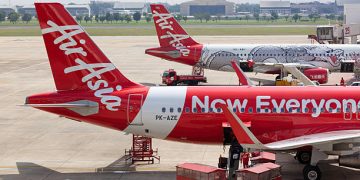







MANILA — Philippine authorities are evaluating potential sanctions against AirAsia Philippines after the airline failed to meet a government-imposed deadline at the end of May 2026 to fully settle its outstanding obligations.
Officials are also reviewing contingency measures to help minimize disruption to passengers should regulatory action be taken. According to an airline source, AirAsia Philippines remains engaged with regulators and is working to complete the remaining payments to the Civil Aviation Authority of the Philippines (CAAP) in the coming days.
The airline’s obligations stem from unpaid air navigation, landing and parking fees, as well as domestic passenger service charges that had not been remitted to the government. Earlier this year, the outstanding balance had risen to approximately P833.7 million, prompting CAAP to issue a final demand letter in March.
Since then, AirAsia Philippines has made significant progress in reducing its liabilities. Sources indicated that the outstanding amount has been lowered to around P200 million following a series of payments made over recent months.
CAAP previously granted the airline flexible payment arrangements to help prevent disruptions during the peak Holy Week and summer travel periods, allowing the carrier additional time to address its financial obligations while maintaining operations.
With the payment deadline having expired on May 29, regulators are now considering possible enforcement measures. Among the options reportedly being reviewed are restrictions on airport access for AirAsia personnel at several regional airports, including Davao, Bacolod and Iloilo.
Authorities are also discussing plans to protect travelers in the event of service disruptions. In similar situations, airlines operating on affected routes may be asked to provide additional capacity or alternative travel options for passengers.
AirAsia Philippines remains the country’s third-largest airline, behind Cebu Pacific and Philippine Airlines. However, the carrier has faced ongoing financial and operational challenges in recent years, including rising fuel costs, increased operating expenses and softer consumer demand in certain markets.
The airline’s operating fleet has also been reduced significantly from pre-pandemic levels. Industry estimates place its current active fleet at around 13 aircraft, compared with approximately 24 to 25 aircraft before the pandemic.
At the group level, AirAsia has been implementing measures aimed at improving profitability and operational efficiency. These efforts include the temporary suspension of routes that are not meeting financial performance targets, as well as a broader focus on strengthening the airline’s balance sheet.
The situation remains under review as regulators determine whether sanctions will be imposed and as the airline continues efforts to settle its remaining obligations.
#AviationNews #AirlineIndustry #TravelUpdate #PhilippinesNews #TransportNews


