


• Latest
  • Trending
  • All
  • Industry
  • Compliance
  • Global Trade
  • Industry
  • Sustainability & Ethics
  • Video
  • Security & Risk
European Logistics Enters H2 2026 With Flexibility as the New Competitive Advantage

European Logistics Enters H2 2026 With Flexibility as the New Competitive Advantage

08/13/2026
Mexico’s Logistics Sector Moves Beyond Visibility Toward Proactive Operations

Mexico’s Logistics Sector Moves Beyond Visibility Toward Proactive Operations

08/13/2026
Vietnam Exporters Turn to Digitalization and Logistics Partnerships as Costs Rise

Vietnam Exporters Turn to Digitalization and Logistics Partnerships as Costs Rise

08/13/2026
Japan Pushes for Stronger Energy Resilience in Southeast Asia

Japan Pushes for Stronger Energy Resilience in Southeast Asia

08/13/2026
China ASEAN Trade Strengthens Regional Supply Chains

China ASEAN Trade Strengthens Regional Supply Chains

08/13/2026
Japan Suppliers Advance Carbon Data Sharing

Japan Suppliers Advance Carbon Data Sharing

08/13/2026
Offshore Wind Expands Global Supply Chain Opportunities

Offshore Wind Expands Global Supply Chain Opportunities

08/13/2026
Asia and US Ocean Freight Rates Reach New High

Asia and US Ocean Freight Rates Reach New High

08/13/2026
Automaker Strengthens Critical Parts Readiness

Automaker Strengthens Critical Parts Readiness

08/13/2026
Malaysia Growth Gains Momentum From Strong Exports

Malaysia Growth Gains Momentum From Strong Exports

08/13/2026
Liquefied Natural Gas Expansion Boosts Energy Exports

Liquefied Natural Gas Expansion Boosts Energy Exports

08/13/2026
Electronics Industry to Explore Supply Chain Innovation

Electronics Industry to Explore Supply Chain Innovation

08/13/2026
Construction Supply Chain Earns 2026 Excellence Awards

Construction Supply Chain Earns 2026 Excellence Awards

08/13/2026
supplychainreport
Thursday, August 13, 2026
  • Home
  • Industry
    • Supply Chain
    • Logistics & Transportation
    • Importing & Exporting
    • Manufacturing
    • Warehousing & Distribution
  • Compliance
    • Supply Chain Transparency
    • Anti-Money Laundering (AML)
    • Know Your Customer (KYC)
    • Risk Management
    • Export Controls
    • Sanctions
  • Global Trade
    • Market Trends
    • Economic Indicators
    • Sourcing
    • Trade Policies
    • International Relations
    • Trade Agreements
    • Tariffs & Duties
    • Import/Export Statistics
  • Luxury Goods
  • Industry
    • Blockchain in Supply Chain
    • Importing & Exporting
    • Automation & Robotics
    • Artificial Intelligence in Trade
    • Data & Analytics
  • Sustainability & Ethics
    • Green Supply Chains
    • Sustainable Logistics
    • Ethical Sourcing
    • Corporate Social Responsibility
    • Environmental Policies
  • Security & Risk
    • Cybersecurity in Trade
    • Fraud & Scams
    • Risk Mitigation
    • Security Protocols
    • Data Protection
  • ITC News
    • ITC Featured Members
    • ITC Business Councils Highlights
  • Events
    • Upcoming Conferences
    • Upcoming FREE Educational Webinars
No Result
View All Result
supplychainreport
No Result
View All Result

European Logistics Enters H2 2026 With Flexibility as the New Competitive Advantage

by Lorgilyn
08/13/2026
in Logistics & Transportation

Europe’s transportation and logistics sector is entering the second half of 2026 under pressure from elevated fuel prices, volatile freight rates, tight warehouse capacity and expanding regulatory requirements. Rather than optimizing for a single market scenario, companies are increasingly focused on maintaining enough flexibility to adapt as conditions change.

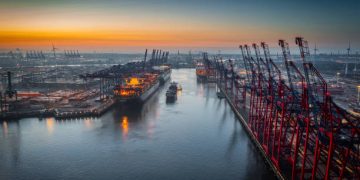
Ocean freight is a major pressure point. Asia–Europe freight rates increased 28%, significantly faster than the 10.5–13% rise in fuel-driven costs over the same period. This suggests that freight inflation is being influenced not only by fuel but also by constrained capacity, early inventory movements and uncertainty around future disruptions.

YOU MAY ALSO LIKE

Vietnam Exporters Turn to Digitalization and Logistics Partnerships as Costs Rise

Kazakhstan Expands Eurasian Logistics Network

Three scenarios could shape logistics strategies in H2 2026. If geopolitical disruption eases, companies that secured additional capacity or moved inventory early could face excess commitments. If consumer demand weakens while costs remain elevated, businesses could struggle to absorb inventory in locations where warehouse availability is already limited. If disruption persists or returns, maintaining service continuity and protecting margins will become the primary priorities.

Warehouse capacity is already tight across several major European logistics hubs. While overall EMEA vacancy stood at around 7% in Q1 2026, availability was significantly lower in locations such as Barcelona, Valencia and Prague, at roughly 2–3%, while Dublin remained below 3%. Germany also remains constrained, with vacancy around 3.6%, while Munich recorded approximately 1.1% in H1 2025.

Transport capacity presents another challenge. European heavy-duty truck registrations were around 298,000 on a rolling four-quarter basis in Q4 2025, down 6% year on year. An aging fleet and slower renewal in major markets could make it more difficult to quickly respond if demand strengthens.

For logistics operators and shippers, the response is increasingly centered on flexibility. Companies are reviewing carrier mixes, booking windows, freight commitments and fleet capacity while securing warehouse options earlier and considering alternative logistics hubs. Cost management is also becoming more strategic, with businesses assessing packaging, recycling, operational efficiency and opportunities to share costs across supply chain partners.

Regulation is adding another layer of complexity. European operators face expanding environmental requirements, including the full surrender of maritime emissions allowances under the EU Emissions Trading System from 2026, alongside the implementation of FuelEU Maritime. These requirements are increasing compliance responsibilities while also encouraging investment in more sustainable logistics operations.

At the same time, AI is reshaping expectations across transportation and logistics. Concerns about automation and disruption in freight brokerage are putting pressure on companies to demonstrate stronger productivity, protect margins and show how technology can improve rather than weaken their competitive position.

The central message for H2 2026 is clear: flexibility may be more valuable than optimization alone. Companies that can adjust transport capacity, warehouse footprints, inventory positioning and cost structures quickly will be better positioned to navigate changing demand, geopolitical disruption and regulatory pressure.

In a volatile European logistics market, resilience is increasingly about keeping options open.

#EuropeanLogistics #SupplyChain #Logistics #Transportation #Freight #OceanFreight #Warehousing #SupplyChainResilience #GlobalTrade #Sustainability #AI #EURegulation

ShareTweet

Share Your News

Whether it’s a groundbreaking achievement, a heartwarming tale, or an insightful perspective, we want to hear it. Share your news with us, and let’s amplify your voice in the digital symphony of stories.

Submit

A man is riding a bike on a hill.

The Supply Chain Report is your essential daily news website, serving as a trusted source for comprehensive coverage of the complex and ever-evolving global supply chain dynamics. Our expert team delves into the intricacies of international trade, manufacturing, logistics, importing, exporting, and supply chain management; providing in-depth analysis and up-to-date news on the latest trends, disruptions, and technological advancements affecting industries worldwide. From detailed reports on international trade through to insights into procurement strategies and inventory management, we offer valuable content that helps professionals stay informed and make knowledgeable decisions in a fast-paced market.

Each day, we bring you cutting-edge news and expert commentary that dissect significant international trade and supply chain issues Our coverage spans a wide array of sectors including manufacturing, retail, healthcare, food, consumer goods, and technology, ensuring that no matter your field, you have the strategic information needed to navigate the challenges and opportunities of today’s supply chain landscape. By synthesizing complex data and presenting actionable insights, The Supply Chain Report empowers business leaders, policymakers, and logistics professionals to optimize their operations and drive forward with confidence in an interconnected world.

Connect With Us

  • About
  • Events
  • Privacy Policy
  • Contact Us

© 2024 International Centre for Trade Transparency Limited. Incorporated in the United Kingdom.

No Result
View All Result
  • Home
  • Industry
    • Supply Chain
    • Logistics & Transportation
    • Importing & Exporting
    • Manufacturing
    • Warehousing & Distribution
  • Compliance
    • Supply Chain Transparency
    • Anti-Money Laundering (AML)
    • Know Your Customer (KYC)
    • Risk Management
    • Export Controls
    • Sanctions
  • Global Trade
    • Market Trends
    • Economic Indicators
    • Sourcing
    • Trade Policies
    • International Relations
    • Trade Agreements
    • Tariffs & Duties
    • Import/Export Statistics
  • Luxury Goods
  • Industry
    • Blockchain in Supply Chain
    • Importing & Exporting
    • Automation & Robotics
    • Artificial Intelligence in Trade
    • Data & Analytics
  • Sustainability & Ethics
    • Green Supply Chains
    • Sustainable Logistics
    • Ethical Sourcing
    • Corporate Social Responsibility
    • Environmental Policies
  • Security & Risk
    • Cybersecurity in Trade
    • Fraud & Scams
    • Risk Mitigation
    • Security Protocols
    • Data Protection
  • ITC News
    • ITC Featured Members
    • ITC Business Councils Highlights
  • Events
    • Upcoming Conferences
    • Upcoming FREE Educational Webinars

© 2024 International Centre for Trade Transparency Limited. Incorporated in the United Kingdom.