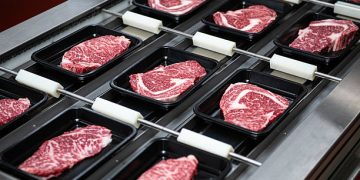






The United States is adjusting beef import policy as part of efforts to strengthen domestic supply availability and support the broader food supply chain.
A new presidential proclamation will temporarily increase the quantity of lean beef trimmings that can enter the U.S. without the higher above-quota tariff. The additional volume will reach 300,000 metric tons, providing importers with greater access to international beef supplies.
The measure comes as U.S. cattle inventories remain at a historically low level following drought and wildfires, contributing to elevated beef prices. Expanding import access is intended to improve supply availability for processors, distributors and consumers.
The policy also follows changes to livestock trade procedures along the U.S.-Mexico border. After restrictions were introduced to address New World screwworm concerns, some southern livestock ports have begun a phased reopening.
From a supply chain perspective, the adjustment highlights the role of trade policy, import capacity and cross-border logistics in maintaining food availability. Increased access to imported beef trimmings can provide processors with additional sourcing options while supporting continuity across meat processing and distribution networks.
The development also demonstrates how tariff policy can be used to respond to changing supply conditions, connecting international sourcing decisions with domestic food markets and supply chain planning.
#AgricultureAndFoodTrade #BeefSupplyChain #FoodSupplyChain #InternationalTrade #ImportPolicy #Tariffs #FoodTrade #AgriculturalTrade #SupplyChain #MarketAccess