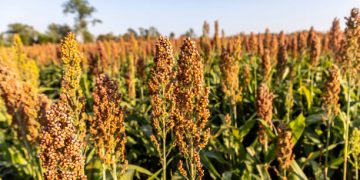






Sudan’s sorghum supply chains in South Kordofan are adapting to severe logistical and market pressures, with reduced agricultural production, transport disruptions, restricted financing, and storage challenges affecting food availability.
An assessment covering Kadugli and Rashad found that farmers are cultivating only a fraction of the land they used before the conflict, pushing many households toward subsistence-level production. Limited harvests are also often sold early to meet immediate financial needs, reducing farmers’ ability to benefit from higher seasonal prices.
Transportation remains a major constraint, particularly in Rashad, where supply relies heavily on a single corridor affected by checkpoints, delays, and seasonal access problems. These challenges increase transport costs and limit the movement of sorghum into local markets.
The assessment also highlights weakened connections between farmers, traders, and wholesalers, while restricted access to financing makes it more difficult for producers to invest in future harvests. Storage shortages contribute to additional losses, with farmers reporting 5–10% post-harvest losses from pests, theft, and inadequate facilities.
Despite these challenges, market participants continue to adapt through alternative trading relationships, digital payments, and changing sourcing strategies.
Strengthening transport connectivity, storage infrastructure, agricultural financing, and market access could help improve food security and build greater resilience across Sudan’s agricultural supply chains.
#Sudan #SupplyChain #Agriculture #FoodSecurity #Logistics #Sorghum #FoodSupplyChain #SupplyChainResilience #Trade #Agribusiness