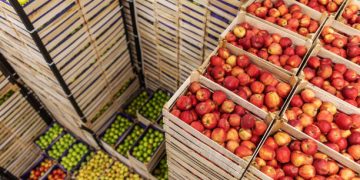






South Korea’s agricultural exports are gaining momentum as advanced refrigerated logistics support the global distribution of premium fruits and food products.
Fruit exports, particularly high-value grape varieties, have recorded strong growth in recent years, supported by rising international demand and improved supply chain capabilities. Shipments to markets across Asia have expanded as consumers continue to show interest in Korean agricultural products.
A key factor behind this growth is the wider adoption of refrigerated shipping containers, which help maintain product quality during long-distance transportation. Temperature-controlled logistics allow fresh produce to travel efficiently across international markets while preserving freshness throughout the export journey.
Reefer container technology, supported by digital monitoring and temperature management systems, is helping exporters improve visibility and control across the cold chain. These solutions enable logistics providers and producers to track conditions throughout transportation and support more reliable delivery of perishable goods.
While different products require specific transportation methods based on shelf life and handling needs, the continued development of cold-chain infrastructure is creating new opportunities for South Korea’s food exporters to reach more global markets.
With stronger logistics networks and advanced supply chain solutions, South Korea is enhancing its position in the international fresh food trade and expanding access to high-quality agricultural products worldwide.
#SupplyChain #ColdChainLogistics #FoodExport #AgriculturalTrade #RefrigeratedTransport #LogisticsTechnology #GlobalTrade #FoodSupplyChain #ExportGrowth #SmartLogistics