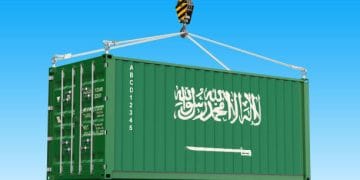







Saudi Arabia is expanding its maritime and logistics capabilities through continued investment in ports, logistics zones and transport connections, creating new opportunities to strengthen trade links between Asia, Africa and Europe. These developments support the Kingdom’s ambition to become a major global logistics hub under its Vision 2030 strategy.
As international supply chains adapt to changing shipping routes, regulatory pressures and operational challenges, reliable infrastructure and efficient cargo movement are becoming increasingly important. Expanded port capacity and stronger transport connections can help improve cargo handling, support distribution networks and provide businesses with more options for moving goods across regional and international markets.
Technology adoption and supply chain coordination are also gaining importance. Greater visibility across shipping, port operations and inland transportation can help businesses manage schedules, control costs and respond more effectively to disruptions. At the same time, investment in infrastructure security and alternative fuels offers opportunities to strengthen operational reliability while supporting the maritime sector’s long-term sustainability goals.
Saudi Arabia’s strategic location along major maritime trade routes provides a strong foundation for connecting manufacturing centres, industrial markets and distribution networks. Continued development of its logistics ecosystem could attract further investment, encourage new commercial partnerships and support growing freight demand.
By combining infrastructure expansion with technological innovation and stronger regional connectivity, Saudi Arabia is working to build a more competitive and resilient logistics network that supports international commerce and long-term supply chain growth.
#SaudiArabia #SupplyChain #Logistics #GlobalTrade #MaritimeTrade #PortInfrastructure #TradeConnectivity #SupplyChainResilience #Vision2030 #Shipping