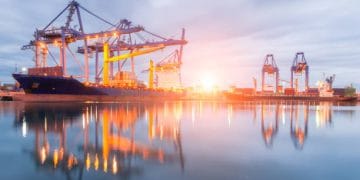






Ports around the world are accelerating the shift toward electrification, marking a significant step in building cleaner, more efficient and resilient global supply chains.
As international trade continues to grow, major ports are increasingly replacing diesel-powered cargo-handling equipment with electric and hybrid alternatives, including cranes, yard tractors, forklifts and trucks. The transition is improving operational efficiency while reducing emissions and supporting more sustainable logistics operations.
Many ports are also expanding shore power infrastructure, allowing docked vessels to connect directly to the electricity grid instead of running onboard engines. This helps reduce fuel consumption, improve air quality and lower emissions in busy port areas.
Leading port hubs across Asia, North America and Europe are investing in electric equipment, battery-powered operations and modern infrastructure designed to support the next generation of global trade. Advances in battery technology and predictable port operations are making electrification more practical and cost-effective for cargo handling and terminal activities.
The growing adoption of electric technologies across ports is expected to strengthen supply chain resilience, improve cargo movement efficiency and support the logistics industry’s transition toward lower-carbon operations. As ports continue modernizing, they are creating a stronger foundation for sustainable global trade and future-ready supply chains.
#SupplyChain #Logistics #PortOperations #GlobalTrade #Sustainability #GreenLogistics #Electrification #SupplyChainInnovation #Maritime #Infrastructure


