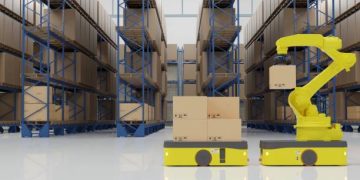






Autonomous vehicles are transforming warehouse logistics by automating repetitive hub-to-hub deliveries, helping create faster, more reliable, and sustainable supply chain operations.
Designed for short- and medium-distance routes within logistics hubs, electric driverless vehicles use artificial intelligence, sensors, and real-time navigation to transport goods between warehouses and distribution centers with minimal human intervention. By automating these routine movements, logistics operators can improve delivery consistency, reduce operational costs, and better manage labor resources.
The adoption of autonomous logistics vehicles also supports round-the-clock operations, lower emissions through electrification, and enhanced safety in busy warehouse environments. As businesses continue investing in digital technologies, autonomous transportation is becoming an important tool for increasing supply chain resilience and improving the efficiency of goods movement.
With demand for faster and more flexible logistics continuing to grow, autonomous vehicle technology is expected to play an increasingly significant role in modernizing warehouse operations and strengthening global supply chain networks.
#SupplyChain #AutonomousVehicles #Logistics #WarehouseAutomation #ArtificialIntelligence #SmartLogistics #DigitalTransformation #Transportation #SustainableLogistics #SupplyChainInnovation


