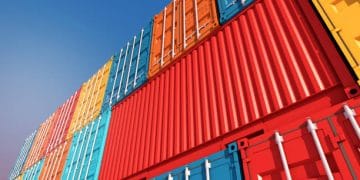






Global container trade is showing resilience in 2026, but rising numbers of empty containers are creating new challenges for ports, terminals and shipping networks.
Strong export flows from China, particularly in data centers, electric vehicles and electrification-related components, are widening the imbalance between eastbound and westbound trade. This is leaving more containers empty on return journeys.
The growing volume of empty-container movements is adding pressure to terminals, increasing landside congestion and creating operational inefficiencies even as overall trade volumes expand.
The trend highlights an important supply chain challenge: stronger trade growth also requires smarter container repositioning, better backhaul utilization and more efficient port operations.
Improving the movement of empty equipment could help reduce congestion and unlock additional capacity across global logistics networks.
#SupplyChain #GlobalTrade #Logistics #ContainerShipping #Ports #MaritimeLogistics #Freight #TradeGrowth #SupplyChainEfficiency #Shipping


