





On July 14, 2026, industry analysts reported that global freight markets continued to show signs of stabilization following several years of supply chain disruptions, shifting trade patterns, and fluctuating transportation demand. While freight rates across major shipping lanes have generally become more balanced, experts emphasized that market volatility has become a long-term characteristic of the logistics sector rather than a temporary challenge. According to industry assessments, total U.S. logistics costs have reached approximately $2.4 trillion, representing around 7.8% of the country’s Gross Domestic Product (GDP), underscoring the significant role logistics continues to play in supporting domestic and international commerce.
Analysts noted that the current operating environment remains influenced by multiple structural factors, including asymmetrical economic growth across global regions, persistent labor shortages affecting warehousing, trucking, and port operations, as well as ongoing fluctuations in fuel and energy prices. These conditions continue to create uncertainty for shippers, carriers, freight forwarders, and logistics service providers, requiring organizations to remain agile in their planning and transportation strategies. Although many supply chain bottlenecks experienced in previous years have eased, businesses are increasingly recognizing that unexpected disruptions can emerge from geopolitical developments, weather events, regulatory changes, and evolving trade policies.
The report further highlighted that last-mile delivery remains one of the fastest-growing cost components within the logistics industry. Rising consumer expectations for faster delivery times, expanding e-commerce activity, urban congestion, and increasingly complex distribution networks are placing additional pressure on transportation providers. Companies are investing in route optimization technologies, automated fulfillment systems, and localized distribution hubs to improve delivery efficiency while managing rising operational costs.
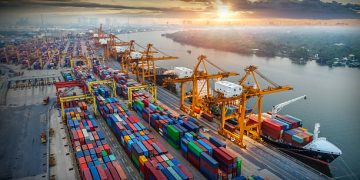
Meanwhile, the ocean freight sector has experienced continued increases in available shipping capacity as new vessels enter global fleets and shipping schedules normalize. This expansion has strengthened the negotiating position of cargo owners and importers, enabling many businesses to secure more favorable long-term transportation contracts and improve procurement planning. Greater vessel availability has also contributed to improved schedule reliability and reduced congestion across several major international ports.
Across air cargo, rail freight, and trucking operations, logistics providers are adopting more flexible operating models to respond to changing demand patterns and evolving customer requirements. Companies are increasingly utilizing multimodal transportation solutions, dynamic route planning, advanced forecasting tools, and real-time shipment monitoring to improve operational efficiency and maintain service reliability. These adaptive strategies are helping organizations balance cost control with service performance despite continued market uncertainties.
Industry leaders also emphasized that building resilient supply chains has become a strategic priority for both private companies and public sector stakeholders. Organizations are placing greater focus on transportation network redundancy, geographic diversification of suppliers and distribution centers, inventory optimization, and digital supply chain visibility. Investments in artificial intelligence, predictive analytics, Internet of Things (IoT) technologies, and cloud-based logistics platforms are enabling businesses to gain better visibility across their operations, identify potential disruptions earlier, and make faster data-driven decisions.
Overall, analysts concluded that while global freight markets are demonstrating greater stability compared to previous years, resilience, flexibility, and technological innovation will remain essential for navigating an increasingly complex and interconnected global transportation environment. Businesses that continue investing in diversified logistics networks, digital transformation, and collaborative supply chain strategies are expected to be better positioned to manage future disruptions while maintaining operational efficiency and long-term competitiveness.
#LogisticsTrends #FreightMarketUpdate #TransportationNews #SupplyChainLogistics #GlobalFreight


