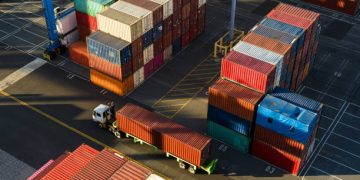






As of June 18, 2026, global logistics networks are actively adjusting to intensified peak season demand and evolving cargo patterns across major trade corridors, underscoring the industry’s critical role in sustaining international commerce during periods of heightened volatility. Rising shipment volumes, changing sourcing strategies, and persistent geopolitical and regulatory uncertainties continue to reshape how goods move around the world.
Carriers have responded by deploying additional vessel capacity on key trans-Pacific and Asia-Europe routes to accommodate growing demand. At the same time, increasing spot rates and peak season surcharges reflect tightening capacity conditions and the operational challenges associated with balancing supply and demand. Shipping lines are continuously reassessing service networks to optimize utilization while maintaining schedule reliability.
Ports across major gateways are implementing measures to mitigate congestion risks, including enhanced scheduling systems, extended operating arrangements, and the use of alternative ports to distribute cargo flows more effectively. These efforts are intended to minimize bottlenecks and reduce delays that can ripple throughout global supply chains. Inland transportation providers and warehousing operators are also experiencing heightened pressure as importers accelerate shipments and increase inventory holdings.
Many businesses continue to frontload cargo in anticipation of potential policy changes, tariff adjustments, and other external disruptions. This strategy has contributed to elevated demand for storage capacity, trucking services, and intermodal transportation, highlighting the importance of coordinated planning across the logistics ecosystem.
Digital technologies are playing an increasingly vital role in maintaining efficiency and visibility. AI-driven route optimization tools, predictive analytics, automated planning systems, and real-time tracking platforms are helping organizations anticipate disruptions, improve decision-making, and provide end-to-end transparency throughout the supply chain. Enhanced visibility enables businesses to react more quickly to changing conditions and better manage customer expectations.
The air freight sector has also reported sustained demand, particularly for time-sensitive, high-value, and seasonal cargoes that require faster transit times. This complements adjustments within ocean shipping markets and provides businesses with additional flexibility when responding to urgent delivery requirements or unexpected disruptions.
Sustainability remains a major priority across the logistics industry. Shipping operators and port authorities continue investing in low-emission vessels, alternative fuels, energy-efficient technologies, and green port initiatives to align with evolving environmental regulations and corporate sustainability commitments. These initiatives reflect the sector’s broader transition toward more responsible and resilient operations.
Collaboration among shippers, carriers, freight forwarders, port authorities, and logistics providers has proven essential in maintaining the efficient movement of goods. Information sharing, coordinated contingency planning, and stronger partnerships are enabling stakeholders to navigate complex operating environments more effectively.
Industry experts emphasize that resilient logistics planning, diversified routing strategies, flexible inventory management, and ongoing investment in technology will remain critical capabilities in the months ahead. Organizations that proactively adapt to changing market conditions are likely to be better positioned to manage risks, control costs, and maintain service continuity.
Collectively, these ongoing adaptations demonstrate the logistics sector’s indispensable contribution to supporting global trade flows. Through innovation, collaboration, and strategic flexibility, logistics networks continue to evolve in response to emerging challenges while ensuring that international supply chains remain functional, responsive, and prepared for future disruptions.
#GlobalLogistics #PeakSeason #SupplyChain #CargoSurges #ShippingNetworks #TradeLogistics