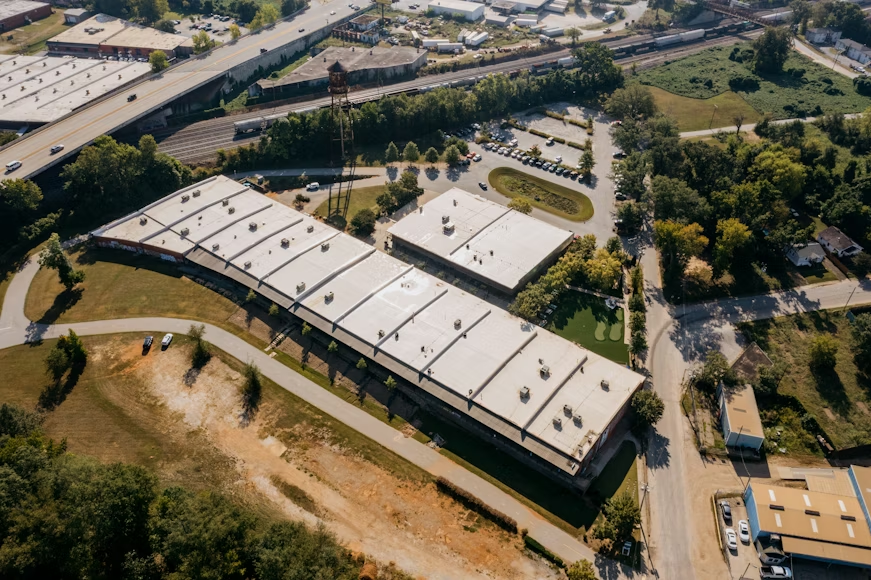







A major logistics facility in São Paulo, Brazil, has reported significant reductions in loading bay times and freight‑related emissions after deploying automated loading technology across its dock operations. The automation upgrade — including a mechanised trailer loading system that works with existing inventory controls — has cut average loading times down to around two minutes per vehicle, dramatically improving turnaround and truck utilisation.
The automated system replaces much of the manual handling that traditionally slows dock operations by sequencing and loading pallets into trailers efficiently and with minimal labour intervention. This not only accelerates trailer turnaround but also reduces idle time for trucks waiting to be loaded, which helps improve throughput and mitigate a key bottleneck in supply chain networks.
In addition to time savings, the move to automation has delivered measurable environmental benefits. The facility has cut reliance on forklifts and heavy mechanical equipment in the loading area, leading to lower on‑site fuel use and reduced CO₂ emissions, aligning with broader sustainability goals for logistics operators. The reduced use of energy‑intensive handling equipment also contributes to a cleaner, safer working environment for staff in high‑traffic dock zones.
Safety enhancements were included as part of the installation, such as dock‑level sensors and physical safeguards that help prevent injuries and protect goods during transfer between warehouse and transport. The success of the pilot suggests that scalable automation solutions can transform loading operations, making them faster, greener and better integrated into modern supply chain logistics.
#Breakingnews #SupplyChainNews #LogisticsUpdate #WarehouseAutomation #SustainabilityInLogistics


