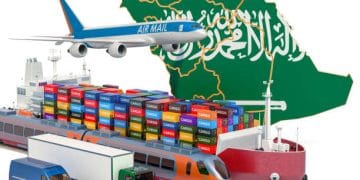







Saudi Arabia is expanding the use of artificial intelligence to improve logistics efficiency, streamline cargo operations, and enhance tourism services. These developments highlight the growing role of AI in strengthening supply chain coordination and supporting the Kingdom’s economic diversification goals.
AI systems are being developed to process freight quotation requests, compare shipping options, and prepare tailored cargo solutions within seconds. By connecting with digital systems containing flight schedules, capacity information, pricing, and service requirements, these technologies can help simplify routine logistics processes and improve response times.
AI is also creating opportunities for better coordination across tourism and transportation networks. Digital agents can communicate between destinations, check service availability, and organize personalized travel itineraries, demonstrating how connected systems can improve coordination among service providers.
Human oversight remains an important part of these initiatives. Complex requests can be referred to employees, while established procedures help maintain control over pricing, bookings, payments, and compliance. This approach allows businesses to benefit from automation while keeping people involved in important decisions.
As Saudi Arabia continues to develop its logistics infrastructure under Vision 2030, AI applications could expand into demand forecasting, capacity planning, shipment visibility, and network optimization. These capabilities may support more efficient supply chain operations, stronger connections between markets, and improved service delivery.
The developments reflect a broader shift toward intelligent digital infrastructure, where AI can help organizations coordinate complex processes, improve operational efficiency, and support the continued growth of international trade.
#SupplyChain #ArtificialIntelligence #SaudiArabia #Logistics #DigitalTransformation #InternationalTrade #SupplyChainInnovation #GlobalTrade