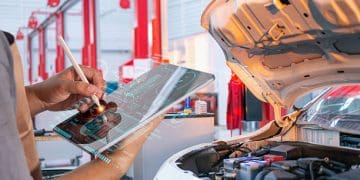







Artificial intelligence is expanding its role in automotive logistics, with automated vehicle inspection technology being introduced at key checkpoints between manufacturing plants and final delivery destinations. The development aims to improve damage detection, strengthen accountability and reduce avoidable costs across the finished vehicle supply chain.
Vehicles pass through multiple stages after leaving the factory, including ports, rail terminals, logistics compounds, vehicle processing centres and dealerships. During these transfers, damage can occur and become difficult to trace, particularly when responsibility changes between manufacturers, transport operators and other logistics partners. Consistent inspections at each handover point can help establish when defects arise and provide clearer evidence when disputes occur.
The latest generation of drive-through inspection systems combines artificial intelligence, advanced cameras, specialised lighting and LiDAR technology to capture detailed digital records of vehicle exteriors. Immediate feedback allows logistics teams to identify potential damage as vehicles move through distribution networks, supporting faster repairs and more effective handling procedures.
Designed for different logistics environments, the systems can accommodate a range of vehicle types, from passenger cars to light commercial vehicles. Rapid installation and around-the-clock technical support are also intended to help operators integrate inspections into existing workflows while minimising operational disruptions.
Beyond detecting individual defects, digital inspection records can provide valuable insights into supply chain performance. By connecting quality checks at the end of manufacturing with inspections throughout vehicle distribution, manufacturers can build a more comprehensive picture of vehicle condition from production to dealership delivery. Analysing this information can help identify recurring damage patterns, determine where problems occur and guide improvements in transport and handling practices.
The technology also offers potential financial benefits for manufacturers and logistics providers operating under tight margins. Earlier detection of damage may reduce repair expenses, minimise disputes over responsibility and limit delays before vehicles reach customers. However, the effectiveness of these systems will depend on their integration into existing logistics processes and the consistent use of inspection data across the supply chain.
Customer demonstrations for the new inspection platform are scheduled for the fourth quarter of 2026, with initial deliveries planned for the first quarter of 2027. The rollout reflects a broader shift towards data-driven quality control in automotive logistics, where greater visibility and traceability can help businesses protect goods, improve accountability and strengthen delivery performance.
#SupplyChain #AutomotiveLogistics #ArtificialIntelligence #VehicleInspection #LogisticsTechnology #DigitalTransformation #SupplyChainVisibility #QualityControl #TransportLogistics #Automation