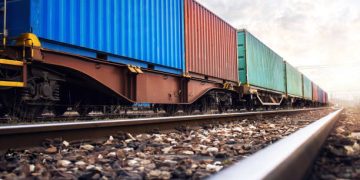







A major rail infrastructure investment is set to enhance supply chain efficiency by improving freight movement, expanding intermodal capacity, and strengthening connections between ports and inland distribution networks.
The planned logistics hub will feature a large scale rail yard, intermodal facilities, and transload warehouses designed to streamline the transfer of cargo between international and domestic transportation networks. By relocating cargo sorting and processing away from congested port areas, the project aims to improve freight flow while reducing transportation bottlenecks.
The new facility will support more efficient movement of import and export shipments by increasing rail capacity and optimizing cargo consolidation. Integrating rail, warehousing, and transloading operations is expected to reduce logistics costs, improve transit times, and strengthen the reliability of inland supply chains.
The project also promotes greater use of rail transportation in place of long distance trucking, helping reduce road congestion while supporting more sustainable freight operations. Advanced cargo handling equipment and energy efficient technologies are planned to improve operational performance and reduce emissions across the logistics network.
As global trade volumes continue to grow, investments in modern transportation infrastructure are playing an increasingly important role in building resilient, efficient, and sustainable supply chains.
#SupplyChain #Logistics #RailTransport #Warehousing #Intermodal #LogisticsTechnology #GlobalTrade #Freight #SupplyChainResilience #Transportation