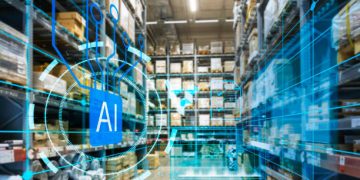






A new generation of AI- and data-driven logistics is transforming warehouse operations at a major electrical equipment distribution campus in Cheongju, South Korea, bringing production, logistics, and automated equipment together through one integrated platform.
The newly implemented warehouse management system connects enterprise resource planning, manufacturing execution, warehouse control, partner systems, and automated logistics equipment, creating real-time visibility across the supply chain.
The facility produces more than 50,000 types of distribution equipment, with its integrated operations supporting material handling, production-line delivery, finished-goods movement, and shipment activities.
Autonomous mobile robots, automated case-handling systems, and logistics shuttles are integrated into the warehouse workflow. These technologies help coordinate activities ranging from receiving and depalletizing materials to supplying production lines and preparing finished products for delivery.
An integrated dashboard and intelligent work-management system provide managers with greater visibility into logistics flows and operational data, supporting faster decision-making and more efficient warehouse coordination.
The development highlights how artificial intelligence, automation, and real-time data are becoming key components of modern supply chain management. By connecting physical logistics equipment with digital systems, manufacturers can improve visibility, coordination, and responsiveness across their operations.
The integrated platform also establishes a foundation for expanding AI-powered logistics capabilities and developing more connected supply chain operations across future facilities.
#ArtificialIntelligence #AILogistics #SupplyChain #SmartWarehouse #WarehouseAutomation #SupplyChainDigitalization #Robotics #DataAnalytics #Manufacturing #Logistics #SmartFactory #SupplyChainTechnology