


• Latest
  • Trending
  • All
  • Industry
  • Compliance
  • Global Trade
  • Industry
  • Sustainability & Ethics
  • Video
  • Security & Risk
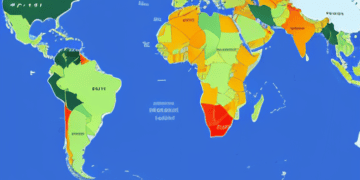
A map of the world displaying different countries and regional trade dynamics.

Understanding the Impacts of CPTPP and RCEP on Regional Trade Dynamics

12/08/2023
Freight Market Shows Capacity Tightening in Key Lanes

Freight Market Shows Capacity Tightening in Key Lanes

07/10/2026
The China-Ghana Emerging Industries Trade and Investment Matchmaking Conference was successfully held in Accra, Ghana

The China-Ghana Emerging Industries Trade and Investment Matchmaking Conference was successfully held in Accra, Ghana

07/10/2026
Ga Mantse Leads Prestigious Opening Ceremony as Ghana Investment & Trade Week 7th , Africa Build Show 4th and Megawatt 3rd Edition 2026 Officially Opens in Accra

Ga Mantse Leads Prestigious Opening Ceremony as Ghana Investment & Trade Week 7th , Africa Build Show 4th and Megawatt 3rd Edition 2026 Officially Opens in Accra

07/08/2026
International Trade Council Appoints Charbel Abi Antoun as Chapter Leader for the Middle East

International Trade Council Appoints Charbel Abi Antoun as Chapter Leader for the Middle East

07/07/2026
Blockchain Expands Supply Chain Traceability

Blockchain Expands Supply Chain Traceability

07/03/2026
Supply Chains Accelerate Emissions Reduction Efforts

Supply Chains Accelerate Emissions Reduction Efforts

07/03/2026
AI Expands in Trade and Logistics Operations

AI Expands in Trade and Logistics Operations

07/03/2026
Businesses Adjust to Global Tariff Changes

Businesses Adjust to Global Tariff Changes

07/03/2026
Ocean Freight Spot Rates Extend Early July Gains

Ocean Freight Spot Rates Extend Early July Gains

07/03/2026
International Trade Council Appoints Damian Mohammed to Lead New Northern Arc Chapter

International Trade Council Appoints Damian Mohammed to Lead New Northern Arc Chapter

07/03/2026
As reported on June 30, 2026, sustainable logistics initiatives are becoming increasingly embedded in global supply chain strategies as companies respond to rising environmental expectations, regulatory pressures, and long-term cost efficiency goals. Businesses across transportation, warehousing, and distribution sectors are actively integrating sustainability into core operations rather than treating it as a separate or secondary objective. A major area of focus is emissions reduction, with companies optimizing routing systems to minimize fuel consumption, congestion delays, and unnecessary mileage. Advanced logistics planning tools and AI-driven scheduling systems are being used to improve delivery efficiency while lowering overall carbon output across transportation networks. In addition, organizations are expanding the use of alternative fuels, including low-emission fuels and electrified transport options, particularly for short-haul and last-mile delivery operations. These shifts are supported by growing investments in charging infrastructure, fleet modernization, and partnerships aimed at accelerating cleaner transportation adoption. Warehousing operations are also undergoing significant transformation, with companies implementing energy-efficient facility designs, smart lighting systems, and automated inventory management technologies to reduce energy consumption and improve productivity. Many logistics providers are also adopting circular economy principles, such as packaging reuse, waste reduction programs, and materials recycling initiatives to further reduce environmental impact. Industry observers note that these combined efforts are not only contributing to environmental sustainability but also improving operational efficiency, cost management, and supply chain resilience. While challenges remain in scaling green technologies across all regions, the momentum behind sustainable logistics continues to grow as companies align their operations with both regulatory requirements and stakeholder expectations.

Sustainable Practices Gain Momentum in Global Logistics

07/01/2026
Domestic Manufacturing Boosts Supply Chain Resilience

Domestic Manufacturing Boosts Supply Chain Resilience

07/01/2026
supplychainreport
Friday, July 10, 2026
  • Home
  • Industry
    • Supply Chain
    • Logistics & Transportation
    • Importing & Exporting
    • Manufacturing
    • Warehousing & Distribution
  • Compliance
    • Supply Chain Transparency
    • Anti-Money Laundering (AML)
    • Know Your Customer (KYC)
    • Risk Management
    • Export Controls
    • Sanctions
  • Global Trade
    • Market Trends
    • Economic Indicators
    • Sourcing
    • Trade Policies
    • International Relations
    • Trade Agreements
    • Tariffs & Duties
    • Import/Export Statistics
  • Luxury Goods
  • Industry
    • Blockchain in Supply Chain
    • Importing & Exporting
    • Automation & Robotics
    • Artificial Intelligence in Trade
    • Data & Analytics
  • Sustainability & Ethics
    • Green Supply Chains
    • Sustainable Logistics
    • Ethical Sourcing
    • Corporate Social Responsibility
    • Environmental Policies
  • Security & Risk
    • Cybersecurity in Trade
    • Fraud & Scams
    • Risk Mitigation
    • Security Protocols
    • Data Protection
  • ITC News
    • ITC Featured Members
    • ITC Business Councils Highlights
  • Events
    • Upcoming Conferences
    • Upcoming FREE Educational Webinars
No Result
View All Result
supplychainreport
No Result
View All Result

Understanding the Impacts of CPTPP and RCEP on Regional Trade Dynamics

by Richie
12/08/2023
in Compliance, Global Trade, Industry, International Relations, Market Trends, Supply Chain, Supply Chain Transparency, Tariffs & Duties, Trade Policies

In recent developments, Australia’s ratification of the Comprehensive and Progressive Agreement for Trans-Pacific Partnership (CPTPP) is poised to activate the agreement’s enforcement by year-end. This milestone coincides with the potential finalization of the Regional Comprehensive Economic Partnership (RCEP), projecting a significant influence on Asia-Pacific trade relations.

It’s essential to recognize that while the CPTPP and RCEP share aspirations for broader market access and enhanced private investment through regulatory reforms, China’s absence from the CPTPP creates complexities in its engagement with these trading arrangements. In this analysis, we explore the ramifications of these agreements on regional trade and delve into China’s stance concerning the CPTPP.

YOU MAY ALSO LIKE

Freight Market Shows Capacity Tightening in Key Lanes

Blockchain Expands Supply Chain Traceability

CPTPP and RCEP Overview Both the CPTPP and RCEP have analogous goals, aiming to facilitate greater market access and encourage investments among member states. The CPTPP evolved from the Trans-Pacific Partnership (TPP) involving 11 signatories after the US withdrew, preserving most TPP provisions while suspending select clauses, particularly related to intellectual property initially advocated by the US.

The CPTPP, reducing tariffs significantly and incorporating stringent non-tariff measures, stands as a high-standard free trade agreement. Conversely, the RCEP, encompassing 16 countries, including ASEAN nations and six others, covers a vast share of global GDP and population, surpassing the CPTPP in scale.

While the RCEP’s tariff reductions might not match the comprehensive coverage of goods and services seen in the CPTPP, it presents substantial opportunities by opening up access in nations with relatively higher trade barriers.

Coexistence and Economic Benefits Contrary to concerns about conflicting trade agreements causing impediments, research suggests a complementary relationship between the CPTPP and RCEP. Countries engaging in both stand to gain more significant economic advantages than individual participation in either initiative alone. This collective participation allows access to diverse markets across North America and Asia simultaneously.

Notably, countries like Singapore, Australia, Brunei, Japan, Malaysia, New Zealand, and Vietnam could witness enhanced GDP growth by engaging in both the CPTPP and RCEP, leveraging access to markets in multiple regions.

RCEP’s Role and Economic Impact The RCEP’s potential for larger economic gains, almost double in absolute terms compared to the CPTPP due to its broader participant base, highlights its substantial impact. Notably, countries within the RCEP exhibit higher tariff barriers than those in the CPTPP, emphasizing the significance of its trade liberalization measures.

China’s Position and Concerns China’s reluctance to join the CPTPP stems from apprehensions regarding its economic reforms. Compliance with the CPTPP’s rigorous standards would necessitate rapid economic transformation, conflicting with China’s gradual reform approach. Additionally, China’s stance on competitive neutrality concerning state-owned enterprises contrasts with the CPTPP’s stipulations.

The exclusion of China from the CPTPP risks trade diversion effects, potentially redirecting imports towards CPTPP member countries. This scenario could affect China’s export competitiveness due to higher tariffs imposed on its goods exported to CPTPP markets.

Future Perspectives and Trade Dynamics While invitations have been extended, China’s current disinterest in the CPTPP aligns with its focus on consolidating economic integration through the RCEP within Southeast Asia. The coexistence of the CPTPP and RCEP holds promise for fostering trade liberalization in the Asia-Pacific region, further solidifying its significance in global trade and economic growth.

In conclusion, the CPTPP and RCEP, while distinct in their approaches, collectively contribute to shaping regional trade dynamics and hold the potential to significantly impact global commerce in the coming years.

Catch the latest in supply chain news on The Supply Chain Report. Visit ADAMftd.com for free international trade tools.

#CPTPP #RCEP #AsiaPacificTrade #TradeLiberalization #GlobalCommerce #MarketAccess #EconomicIntegration #RegionalTrade #ChinaTradePolicy #FreeTradeAgreements #TradeDiversification #GlobalGDP #InvestmentReforms #ASEAN #TradePartnerships


ShareTweet

Share Your News

Whether it’s a groundbreaking achievement, a heartwarming tale, or an insightful perspective, we want to hear it. Share your news with us, and let’s amplify your voice in the digital symphony of stories.

Submit

A man is riding a bike on a hill.

The Supply Chain Report is your essential daily news website, serving as a trusted source for comprehensive coverage of the complex and ever-evolving global supply chain dynamics. Our expert team delves into the intricacies of international trade, manufacturing, logistics, importing, exporting, and supply chain management; providing in-depth analysis and up-to-date news on the latest trends, disruptions, and technological advancements affecting industries worldwide. From detailed reports on international trade through to insights into procurement strategies and inventory management, we offer valuable content that helps professionals stay informed and make knowledgeable decisions in a fast-paced market.

Each day, we bring you cutting-edge news and expert commentary that dissect significant international trade and supply chain issues Our coverage spans a wide array of sectors including manufacturing, retail, healthcare, food, consumer goods, and technology, ensuring that no matter your field, you have the strategic information needed to navigate the challenges and opportunities of today’s supply chain landscape. By synthesizing complex data and presenting actionable insights, The Supply Chain Report empowers business leaders, policymakers, and logistics professionals to optimize their operations and drive forward with confidence in an interconnected world.

Connect With Us

  • About
  • Events
  • Privacy Policy
  • Contact Us

© 2024 International Centre for Trade Transparency Limited. Incorporated in the United Kingdom.

No Result
View All Result
  • Home
  • Industry
    • Supply Chain
    • Logistics & Transportation
    • Importing & Exporting
    • Manufacturing
    • Warehousing & Distribution
  • Compliance
    • Supply Chain Transparency
    • Anti-Money Laundering (AML)
    • Know Your Customer (KYC)
    • Risk Management
    • Export Controls
    • Sanctions
  • Global Trade
    • Market Trends
    • Economic Indicators
    • Sourcing
    • Trade Policies
    • International Relations
    • Trade Agreements
    • Tariffs & Duties
    • Import/Export Statistics
  • Luxury Goods
  • Industry
    • Blockchain in Supply Chain
    • Importing & Exporting
    • Automation & Robotics
    • Artificial Intelligence in Trade
    • Data & Analytics
  • Sustainability & Ethics
    • Green Supply Chains
    • Sustainable Logistics
    • Ethical Sourcing
    • Corporate Social Responsibility
    • Environmental Policies
  • Security & Risk
    • Cybersecurity in Trade
    • Fraud & Scams
    • Risk Mitigation
    • Security Protocols
    • Data Protection
  • ITC News
    • ITC Featured Members
    • ITC Business Councils Highlights
  • Events
    • Upcoming Conferences
    • Upcoming FREE Educational Webinars

© 2024 International Centre for Trade Transparency Limited. Incorporated in the United Kingdom.