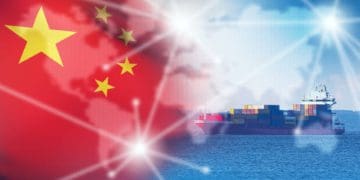







China’s stronger-than-expected economic growth and resilient export performance are drawing attention to the logistics networks that support the country’s international trade. As goods continue moving from manufacturing centres to overseas markets, warehousing providers, air freight operators and multimodal transport networks are emerging as important links in the export supply chain.
Integrated logistics operations play a central role in connecting manufacturers with global customers. Warehousing, freight forwarding, sorting and last-mile delivery help goods move efficiently from production facilities to distribution centres and final destinations. Higher export volumes can create additional demand for these services, although the benefits depend on operating costs, pricing conditions and the ability to manage capacity effectively.
Air freight is another important component of China’s export infrastructure, particularly for time-sensitive shipments and high-value products. Airlines operating both passenger and cargo services can benefit from stronger trade activity, but their performance also depends on passenger demand, fuel costs, fleet utilisation and financial pressures. Balancing cargo opportunities with other business operations remains essential to maintaining profitability.
Port facilities and multimodal transport networks also support international supply chains by connecting maritime shipping, inland transportation and logistics parks. These integrated systems enable goods to move across different transport modes, helping exporters coordinate shipments and reach overseas markets. However, competition, pricing pressure and changing operating margins can influence the financial performance of logistics providers even when trade volumes remain strong.
The latest export data highlights the close relationship between international trade activity and logistics demand. Nevertheless, rising shipments do not automatically translate into higher profits, as companies must also manage infrastructure expenses, operational efficiency and competitive pricing. For supply chain operators, maintaining reliable services while controlling costs remains a key challenge.
As global trade flows evolve, the performance of China’s logistics and transport sector will remain closely linked to export demand, supply chain efficiency and the ability of businesses to adapt to changing market conditions.
#SupplyChain #GlobalTrade #ChinaExports #Logistics #AirFreight #PortOperations #InternationalTrade #FreightTransport #SupplyChainManagement #TradeLogistics