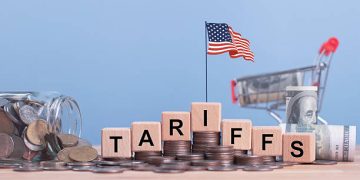







Supply Chain Report — The U.S. government announced plans to increase tariffs for some trading partners from 10% to 15% or higher, signaling potential ripple effects across global supply chains. The move, confirmed by U.S. Trade Representative Jamieson Greer, comes without specifying which countries will be affected or providing detailed timelines.
Speaking to major news outlets, Greer emphasized that the increase would not extend to Chinese goods beyond existing rates, in line with ongoing trade discussions. The administration is preparing formal measures to raise temporary tariffs where appropriate while ensuring compatibility with existing trade agreements.
The tariff adjustment aims to address concerns around unfair trade practices, including excess industrial capacity, use of forced labor, discriminatory policies against foreign technology firms, and government subsidies in industries such as agriculture and fisheries. Greer highlighted that some nations, including China and Vietnam, maintain unprofitable industrial operations with government support, a factor driving the need for targeted tariffs.
For supply chains, the announcement underscores heightened risks in sourcing and cross-border logistics. Businesses may face higher import costs, potential delays, and the need to re-evaluate supplier networks to mitigate tariff exposure. Section 301 investigations and Section 232 national security probes remain key tools for enforcing trade agreements and managing strategic industries, which may further impact supply chain planning.
Greer also noted the continued relevance of century-old trade laws allowing tariffs up to 50% in cases of trade discrimination, though current focus remains on strategic investigations that have historically proven resilient to legal challenges.
Companies and logistics managers are advised to closely monitor developments and assess potential impacts on sourcing, production, and cost structures as the U.S. moves forward with these tariff measures.
#BreakingNews #SCRNews #SupplyChainReport #GlobalTrade #TariffUpdate #LogisticsRisk