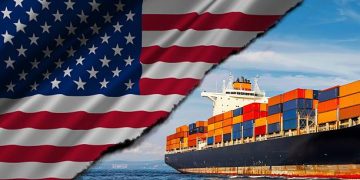







The United States has extended a temporary waiver allowing certain covered cargoes to continue moving between U.S. ports on foreign-flagged vessels under specified conditions, providing additional flexibility for domestic supply chain operations.
The latest 90-day extension begins August 17, 2026, and runs through November 15, 2026. Cargo covered by the waiver must be loaded before the expiration deadline to qualify under the updated provisions.
The revised rules also introduce a more detailed process for companies seeking to use foreign-flagged vessels. Before a voyage begins, applicants must submit a vessel availability request containing information on the vessel, ownership, voyage schedule, loading and discharge ports, cargo details, shipment frequency, and the transportation requirement.
Authorities will review whether a qualifying U.S. vessel is available for the proposed movement before determining whether the waiver can be applied.
The updated framework also strengthens shipment documentation and post-voyage reporting. Carriers using foreign-flagged vessels under the waiver are required to provide voyage information and submit reports within 10 days after completing a voyage.
For supply chain operators, the extension provides additional planning flexibility for eligible cargo movements while reinforcing the importance of accurate documentation, vessel planning, and regulatory compliance.
The updated requirements highlight how maritime regulations and transportation availability continue to influence domestic logistics networks. Clear procedures for vessel selection, cargo movement, and reporting can help businesses coordinate shipments more effectively across U.S. ports.
#LogisticsAndTransportation #SupplyChain #MaritimeLogistics #Shipping #USPorts #SupplyChainManagement #InternationalTrade #TradeCompliance #Freight #CargoTransportation #PortOperations #SupplyChainVisibility #ShippingRegulations #GlobalTrade