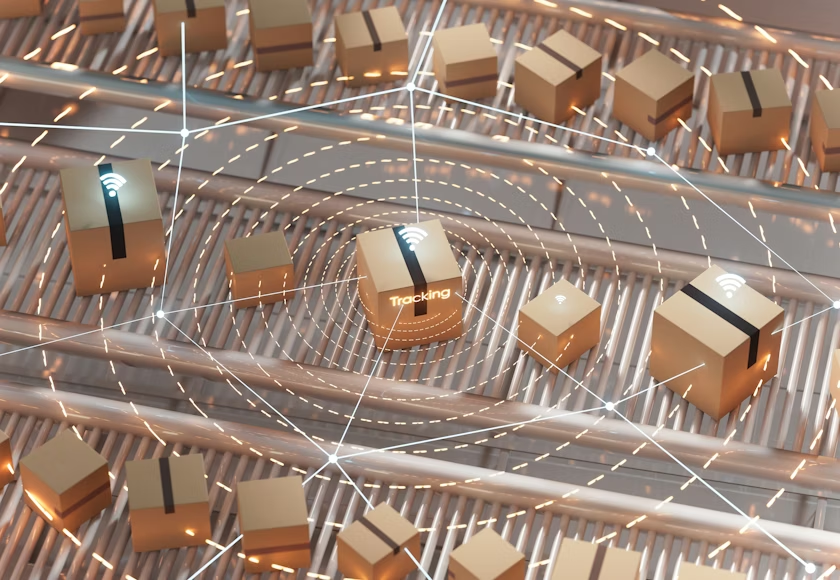







New findings from a major logistics industry report show that supply chain disruption is becoming an increasingly influential factor shaping corporate trade strategies across North, Central and South America. The report highlights that a significant share of businesses experienced operational setbacks and higher costs due to disruptions over the past year, prompting an accelerated focus on resilience and adaptability.
According to the survey of cargo owners and logistics decision-makers, approximately 65 per cent of North American firms expect logistics spending to rise over the next 12 months, while 78 per cent plan to increase investment in digital logistics tools such as artificial intelligence and automation over the next three years. Moreover, more than **80 per cent of respondents anticipate that logistics will become a strategic priority at the board level, not just an operational function.
The report points to multiple sources of disruption — including port congestion, border delays, extreme weather events and geopolitical tensions — as drivers behind these shifts. Companies are increasingly prioritizing diversified supply chains, regionalised trade corridors, resilient infrastructure and integrated logistics networks that can absorb shocks and maintain flow of goods.
Regional infrastructure developments, such as expanded port capacity, new direct shipping routes and investments in freight forwarding and warehousing, are cited as examples of how trade ecosystems are responding to the need for more reliable and efficient logistics. These developments aim to strengthen connectivity between the Americas and global markets while reducing vulnerability to supply chain volatility.
Industry analysts say these strategic shifts reflect a broader trend in global commerce: businesses are moving beyond reactive responses to disruptions and instead embedding resilience, technology and regional diversification into their long-term trade and logistics planning.
#BreakingNews #SupplyChainNews #TradeStrategy #LogisticsUpdate #ResilienceBuilding