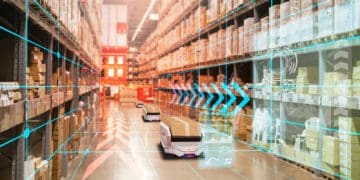






Artificial intelligence is reshaping warehouse operations as businesses increasingly adopt AI-powered palletising systems to improve efficiency, manage labor challenges, and support growing logistics demands.
AI-driven palletising technology combines computer vision, machine learning, and robotics to automate the stacking and handling of goods. Unlike traditional systems that rely on fixed programming, these advanced solutions can recognize different package sizes, adjust handling methods, and optimize pallet arrangements in real time.
The growing complexity of e-commerce and modern supply chains is accelerating demand for smarter warehouse solutions. With facilities handling more product variations and facing workforce shortages, AI-powered automation is helping improve productivity, reduce manual workloads, and maintain consistent operations.
Industries including manufacturing, consumer goods, food and beverage, pharmaceuticals, and third-party logistics are increasingly adopting intelligent palletising systems to enhance speed, accuracy, and flexibility. These technologies enable warehouses to manage mixed shipments, improve inventory flow, and respond faster to changing customer needs.
As supply chains continue to evolve, AI-powered warehouse automation is expected to become a key driver of future logistics operations. By combining robotics with advanced analytics, businesses can build more agile, efficient, and resilient distribution networks.
#SupplyChain #Logistics #WarehouseAutomation #ArtificialIntelligence #Robotics #DigitalTransformation #Ecommerce #Manufacturing #SmartWarehousing #SupplyChainInnovation #FutureOfLogistics