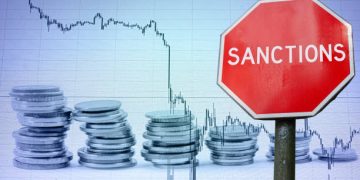






Uncertainty has emerged in global energy markets following the expiration of a temporary U.S. sanctions waiver that previously allowed India to continue purchasing discounted crude oil under adjusted conditions. It remains unclear whether Washington will extend the reprieve, adding pressure to already volatile oil supply dynamics.
The waiver had been introduced during a period of global supply disruption, when tighter oil flows and rising prices prompted temporary flexibility in enforcement measures. It allowed India to continue sourcing crude oil under conditions that had previously faced restrictions.
Earlier policy measures included a 25 percent tariff imposed on India over concerns related to its crude oil import strategy, along with additional trade tariffs tied to broader trade imbalances. These measures contributed to a period of strain in trade relations between the two countries.
Market conditions shifted further following disruptions in global energy supply routes, including tensions affecting key maritime transit corridors. These developments contributed to volatility in crude oil prices and concerns over supply availability in multiple regions.
During the period of eased restrictions, India increased its crude oil purchases from alternative suppliers, including state-run and private refiners adjusting procurement strategies. However, reports indicate that pricing conditions for some of these imports have changed compared to earlier periods of discounted supply.
Energy discussions have remained a key part of ongoing diplomatic and trade engagements between India and partner countries. Recent high-level meetings in New Delhi included discussions on expanding cooperation in energy, trade, industry, fertilizers, connectivity, and emerging sectors such as technology and critical minerals.
India remains one of the world’s largest crude oil importers, with approximately 85 percent of its oil requirements sourced internationally. A significant portion of imports traditionally comes from West Asia, making supply stability in that region particularly important for domestic energy security.
In response to recent global disruptions, India has expanded its sourcing network to include multiple supplier countries. Government statements indicate that imports are now diversified across around 40 countries, with a growing share of shipments routed through alternative supply chains outside traditional transit corridors.
Officials have said this diversification strategy has helped stabilize fuel availability and limit major price disruptions domestically, even as other regions have experienced tighter supply conditions.
However, the expiration of the sanctions waiver has renewed uncertainty over trade flows and procurement flexibility. Indian officials have indicated expectations that the measure could be extended, while discussions continue between both sides on broader economic and energy cooperation.
Diplomatic engagements have continued alongside these developments, with recent visits and meetings between senior officials focusing on bilateral relations and ongoing cooperation in energy and trade sectors. At the same time, discussions on liquefied natural gas (LNG) imports have also taken place, as India seeks to secure long-term supply agreements.
India imported approximately 27 million tons of LNG in the 2024–25 fiscal year, with a significant share sourced from major suppliers in the Gulf region. Some reports suggest that supply adjustments in the region may take time to normalize, depending on market and operational conditions.
As the situation develops, analysts note that global energy markets remain highly sensitive to policy shifts, trade decisions, and supply route stability. The combination of an expired waiver, fluctuating prices, and evolving trade arrangements has contributed to heightened uncertainty in oil procurement planning.
Despite these challenges, India continues to emphasize diversified sourcing and energy security strategies to manage supply risks and maintain stable domestic fuel availability.
#SupplyChainNews #EnergyMarkets #GlobalTrade #OilSupply #TradePolicy