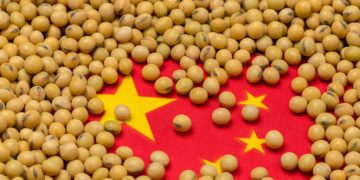







A new study from North Dakota State University (NDSU) estimates that U.S. agricultural exports are experiencing nearly $15 billion in annualized losses due to China’s tariffs on American farm products, underscoring the continued pressure on the agricultural sector amid ongoing trade negotiations between the two countries.
According to Shawn Arita, associate director of the Ag Risk Policy Center at NDSU, the estimated losses exceed the more than $10 billion recorded during the 2018–2019 trade dispute period. The study points to soybeans as one of the most heavily affected commodities, accounting for approximately $6.8 billion of the losses.
Arita noted that soybean exports to China have slowed significantly, partly because existing tariffs have reduced the competitiveness of U.S. products compared to Brazilian soybeans. China currently maintains a baseline tariff of around 10% on most U.S. agricultural goods, including a 13% tariff specifically targeting U.S. soybeans.
The report also identified beef and cotton exports as contributors to the overall decline in agricultural trade with China. While beef and poultry exports to China were relatively limited during the earlier trade dispute years, their role in U.S. agricultural exports has grown in recent years, increasing their exposure to tariff-related challenges.
Despite the losses linked to reduced Chinese demand, the study found that U.S. agricultural exports to other global markets increased between March and February, suggesting that some trade activity was redirected to alternative buyers. However, researchers said the gains from other markets only partially compensated for the losses associated with China.
Arita added that the long-term outlook for U.S. agricultural exports will depend not only on tariff policies but also on broader global market conditions, including commodity demand, supply levels, and purchasing trends among major importing countries.
Trade discussions between the United States and China remain ongoing, with tariff removal continuing to be part of broader negotiations between the two economies. U.S. President Donald Trump has invited Chinese President Xi Jinping for a White House visit in September as both sides continue efforts to address trade-related issues.
Industry observers continue to monitor the situation closely, particularly in the soybean market, where competition among major exporters remains strong and global demand patterns continue to shift.
#Agriculture #TradeNews #Tariffs #Soybeans #GlobalTrade