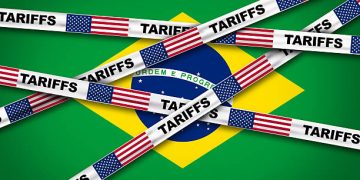







The United States is introducing a 25% tariff on a range of imports from Brazil, a move that could influence trade flows, sourcing decisions, and supply chain strategies between the two economies.
The new tariff measure includes exemptions for selected goods, including certain agricultural products, pharmaceuticals, and other essential materials where additional costs could affect domestic availability and economic stability. Some products already covered under existing trade measures will also receive specific treatment under the new rules.
The policy change follows a review of Brazil’s trade practices and reflects broader efforts by the United States to address concerns related to market access, regulatory issues, and trade competitiveness. Businesses involved in cross-border commerce may need to reassess sourcing strategies, supplier relationships, and cost management plans.
As global supply chains continue adapting to shifting trade policies, companies are increasingly focused on building flexibility through diversified sourcing, risk assessment, and improved supply chain visibility.
#UnitedStates #Brazil #TradePolicy #Tariffs #SupplyChain #GlobalTrade


