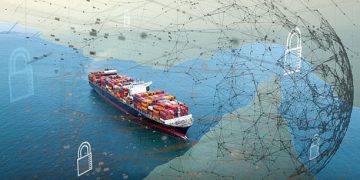






Global supply chains are entering a new phase as geopolitical tensions, energy security concerns, and shifting trade policies reshape how goods and resources move around the world. Disruptions around critical maritime chokepoints such as the Strait of Hormuz are highlighting the importance of flexible transportation networks and diversified sourcing strategies.
The changing environment is encouraging businesses and governments to reduce reliance on individual routes, suppliers, and production hubs. Companies are increasingly exploring alternative trade corridors, regional sourcing, strategic inventories, and stronger supply chain visibility to maintain continuity during disruptions.
Energy security is also becoming more closely connected to trade and supply chain planning. Fluctuations in oil, gas, and critical mineral flows can influence transportation costs, manufacturing decisions, and investment across industries. At the same time, the growing concentration of critical minerals and clean technology production is encouraging countries to strengthen domestic capabilities and establish new international partnerships.
Despite the challenges, these shifts are creating opportunities to build more resilient and adaptable supply networks. Investment in infrastructure, alternative routes, digital technologies, diversified suppliers, and regional trade connections can help businesses manage uncertainty while supporting more stable global commerce.
Global supply chains are moving beyond efficiency alone, with resilience, diversification, and adaptability becoming central to the future of international trade.
#SupplyChain #Logistics #GlobalTrade #SupplyChainResilience #MaritimeTrade #EnergySecurity #TradeRoutes #Geopolitics #Transportation #SupplyChainNews