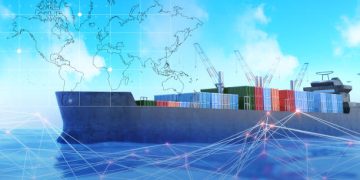






Technology is becoming a strategic driver of logistics performance across Asia-Pacific as businesses seek greater visibility, faster customs processes and more predictable cross-border operations.
Rapidly changing trade routes, evolving regulations and rising customer expectations are pushing logistics companies to integrate business operations and digital technology more closely.
Modern tools can validate customs documentation before shipments arrive, identify compliance risks, connect transport and warehouse data, and detect potential disruptions before they affect delivery schedules.
This is particularly valuable for cross-border movements, where regulatory requirements and operational handoffs can create delays even across relatively short distances.
A stronger digital foundation can also bring warehouses, gateways, customs teams and transport operators onto a shared data platform, improving coordination and giving businesses greater control over complex supply chains.
The transformation depends on three priorities: breaking down business and technology silos, strengthening data infrastructure, and developing technology-ready talent.
As AI, automation and predictive analytics become more integrated into logistics operations, the biggest opportunity is no longer simply adopting new tools. It is using technology to improve real-world outcomes such as shipment visibility, clearance speed, exception management and customer service.
For Asia-Pacific, where supply chains span diverse markets and regulatory environments, business-first technology can help create more agile, connected and resilient logistics networks.
#SupplyChain #Logistics #AsiaPacific #Technology #AI #DigitalTransformation #Automation #CrossBorderTrade #Customs #SupplyChainVisibility #LogisticsTechnology #SupplyChainResilience