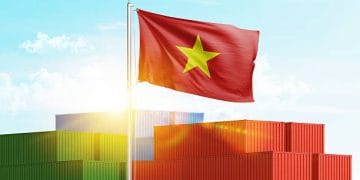







Vietnam is becoming an increasingly important part of Asia’s supply chain network as manufacturing investment, expanding trade relationships, and shifting production strategies reshape global commerce.
The country is developing stronger connections between suppliers, manufacturers, and international markets as businesses diversify production across multiple countries. This shift is creating new opportunities for Vietnam while increasing the need for coordinated logistics and efficient cross border operations.
In 2025, Vietnam recorded 8% GDP growth, while manufacturing and processing attracted US$22.88 billion in foreign direct investment, accounting for more than 82% of realised foreign investment. Meanwhile, bilateral trade between Vietnam and China reached US$252 billion, representing a 26.5% increase year on year.
As production networks expand across Asia, companies are increasingly focusing on supply chain diversification to reduce reliance on individual markets and improve operational flexibility. Vietnam’s growing trade connections are helping integrate the country more deeply into regional manufacturing and distribution networks.
However, managing operations across multiple countries also creates challenges involving transportation, warehousing, customs procedures, and shipment visibility. Stronger coordination across these areas will be important for businesses seeking to maintain reliable operations and manage increasingly complex international supply chains.
Vietnam’s logistics sector is estimated to be growing by 14% to 16% annually and contributes approximately 4% to 5% of the country’s GDP. These developments highlight the growing importance of logistics infrastructure and integrated supply chain management in supporting the country’s expanding role in global trade.
#SupplyChain #VietnamTrade #Logistics #ForeignDirectInvestment #Manufacturing #GlobalTrade #InternationalTrade #AsiaPacific