





Europe’s transportation and logistics sector is entering the second half of 2026 under pressure from elevated fuel prices, volatile freight rates, tight warehouse capacity and expanding regulatory requirements. Rather than optimizing for a single market scenario, companies are increasingly focused on maintaining enough flexibility to adapt as conditions change.
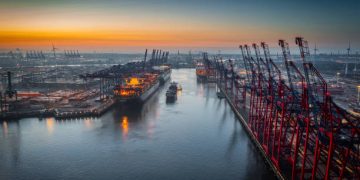
Ocean freight is a major pressure point. Asia–Europe freight rates increased 28%, significantly faster than the 10.5–13% rise in fuel-driven costs over the same period. This suggests that freight inflation is being influenced not only by fuel but also by constrained capacity, early inventory movements and uncertainty around future disruptions.
Three scenarios could shape logistics strategies in H2 2026. If geopolitical disruption eases, companies that secured additional capacity or moved inventory early could face excess commitments. If consumer demand weakens while costs remain elevated, businesses could struggle to absorb inventory in locations where warehouse availability is already limited. If disruption persists or returns, maintaining service continuity and protecting margins will become the primary priorities.
Warehouse capacity is already tight across several major European logistics hubs. While overall EMEA vacancy stood at around 7% in Q1 2026, availability was significantly lower in locations such as Barcelona, Valencia and Prague, at roughly 2–3%, while Dublin remained below 3%. Germany also remains constrained, with vacancy around 3.6%, while Munich recorded approximately 1.1% in H1 2025.
Transport capacity presents another challenge. European heavy-duty truck registrations were around 298,000 on a rolling four-quarter basis in Q4 2025, down 6% year on year. An aging fleet and slower renewal in major markets could make it more difficult to quickly respond if demand strengthens.
For logistics operators and shippers, the response is increasingly centered on flexibility. Companies are reviewing carrier mixes, booking windows, freight commitments and fleet capacity while securing warehouse options earlier and considering alternative logistics hubs. Cost management is also becoming more strategic, with businesses assessing packaging, recycling, operational efficiency and opportunities to share costs across supply chain partners.
Regulation is adding another layer of complexity. European operators face expanding environmental requirements, including the full surrender of maritime emissions allowances under the EU Emissions Trading System from 2026, alongside the implementation of FuelEU Maritime. These requirements are increasing compliance responsibilities while also encouraging investment in more sustainable logistics operations.
At the same time, AI is reshaping expectations across transportation and logistics. Concerns about automation and disruption in freight brokerage are putting pressure on companies to demonstrate stronger productivity, protect margins and show how technology can improve rather than weaken their competitive position.
The central message for H2 2026 is clear: flexibility may be more valuable than optimization alone. Companies that can adjust transport capacity, warehouse footprints, inventory positioning and cost structures quickly will be better positioned to navigate changing demand, geopolitical disruption and regulatory pressure.
In a volatile European logistics market, resilience is increasingly about keeping options open.
#EuropeanLogistics #SupplyChain #Logistics #Transportation #Freight #OceanFreight #Warehousing #SupplyChainResilience #GlobalTrade #Sustainability #AI #EURegulation