





Latin America’s agricultural trade is expanding across multiple international markets, creating new opportunities for more diversified and resilient global food supply chains.
The region’s export landscape is becoming increasingly multipolar, with South American economies strengthening trade links with Asia while Mexico and Central America remain closely connected to the United States.
Growing demand for soybeans, beef, agricultural commodities and other essential products is reinforcing Latin America’s importance in global food security and international trade.
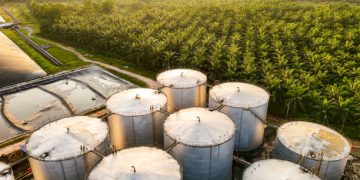
These shifting trade flows are also encouraging investment in ports, logistics corridors, storage facilities, transportation networks and export infrastructure across the region.
Greater diversification of export markets can help producers and exporters access new sources of demand while reducing reliance on individual trade routes and markets. It also creates opportunities to build supply chains that are more flexible and better prepared for changing global conditions.
As agricultural trade continues to expand, Latin America is increasingly positioned as a strategic hub connecting major food-producing regions with consumers across Asia, North America and other global markets.
#SupplyChain #GlobalTrade #Agriculture #AgriculturalExports #LatinAmerica #FoodSupplyChain #Logistics #Agribusiness #FoodSecurity #TradeDiversification #Infrastructure #SupplyChainResilience