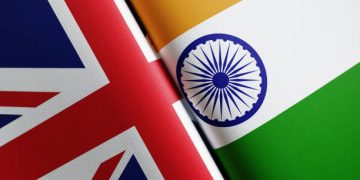






Effective as of June 18, 2026, the India-UK Comprehensive Economic and Trade Agreement continues to generate substantial momentum in bilateral trade, strengthening importing and exporting activities between the two nations and reinforcing their long-term economic partnership. The landmark agreement has significantly expanded market access by eliminating duties on nearly all traded goods, creating new opportunities for businesses, investors, and consumers on both sides.
Under the agreement, Indian exporters benefit from tariff-free access to the UK market across a wide range of products, particularly in high-performing sectors such as textiles, pharmaceuticals, agricultural products, engineering goods, and processed foods. Reduced trade costs and improved competitiveness have enabled Indian businesses to increase export volumes and strengthen their presence in one of Europe’s major consumer markets. The pharmaceutical sector, in particular, has experienced growing demand due to its established manufacturing capabilities and reputation for cost-effective production.
At the same time, UK businesses are increasingly expanding their footprint in India by supplying machinery, chemicals, advanced manufacturing equipment, professional services, and high-value products to support the country’s rapidly growing economy. Improved access to the Indian market allows British companies to participate more actively in infrastructure development, industrial modernization, healthcare expansion, and technology-driven sectors.
A major advantage of the agreement lies in its streamlined customs procedures and the reduction of non-tariff barriers that have historically slowed cross-border commerce. Simplified documentation requirements, enhanced customs cooperation, and greater regulatory transparency have accelerated the movement of goods while improving predictability for traders and supply chain operators. These measures have reduced administrative burdens and enabled businesses to respond more efficiently to market demands.
Exporters from both countries are actively capitalizing on expanded market access, with early indicators pointing to increased shipment volumes, stronger competitiveness, and growing confidence among trading communities. Importers likewise benefit from diversified sourcing opportunities, broader supplier networks, and more competitive pricing on essential inputs and finished products, helping businesses manage costs and strengthen supply chain resilience.
The agreement also incorporates robust intellectual property protections and efficient dispute resolution mechanisms, providing legal certainty and greater confidence for long-term investment and commercial planning. Businesses entering new markets under the framework are better equipped to safeguard innovations, enforce contractual rights, and resolve trade-related disputes through transparent procedures.
Recognizing the important role of smaller enterprises in economic growth, both governments have introduced targeted support initiatives to help small and medium-sized enterprises fully utilize the benefits of the agreement. Capacity-building programs, trade promotion activities, market intelligence services, and export readiness initiatives are enabling SMEs to overcome barriers to internationalization and participate more effectively in global value chains.
Government assessments continue to highlight the positive economic impact of the agreement, including contributions to trade expansion, job creation, industrial growth, and economic diversification. Increased bilateral engagement is fostering stronger business partnerships, encouraging investment flows, and supporting innovation across multiple sectors.
As businesses adapt to the opportunities presented by this evolving trade landscape, the India-UK Comprehensive Economic and Trade Agreement is increasingly viewed as a benchmark for modern trade policy. By promoting market openness, reducing barriers, and strengthening institutional cooperation, the pact demonstrates how comprehensive trade agreements can substantially boost importing and exporting activities while fostering deeper economic integration and sustainable growth for both nations.
#ImportExport #IndiaUKTrade #BilateralTrade #TradeGrowth #MarketAccess #ExportBoost