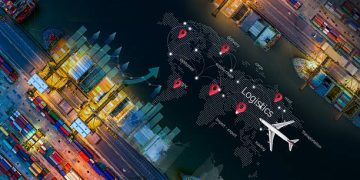






Global trade and logistics are entering a more complex era as businesses navigate changing regulations, shifting trade routes, geopolitical uncertainty and increasingly demanding compliance requirements.
Trade continues to expand, supported by e-commerce growth and supplier diversification, but companies are facing greater complexity as countries introduce different rules and standards. Disruptions to major trade routes and increasingly frequent extreme weather events are also encouraging businesses to strengthen supply chain resilience.
To manage these challenges, companies are placing greater emphasis on visibility, traceability and scenario planning. Digital tools and artificial intelligence are increasingly being used to improve planning and provide greater visibility across international supply networks.
At the same time, strong relationships with suppliers, logistics providers and trading partners remain important. Combining technology with collaboration can help businesses respond more quickly to disruptions while maintaining reliable trade flows.
The evolving landscape highlights the importance of flexible logistics strategies, stronger compliance capabilities and better access to real-time supply chain information as global trade continues to grow.
#GlobalTrade #Logistics #SupplyChain #Trade #SupplyChainResilience #DigitalTransformation #AI #Compliance #InternationalTrade #SupplyChainVisibility


