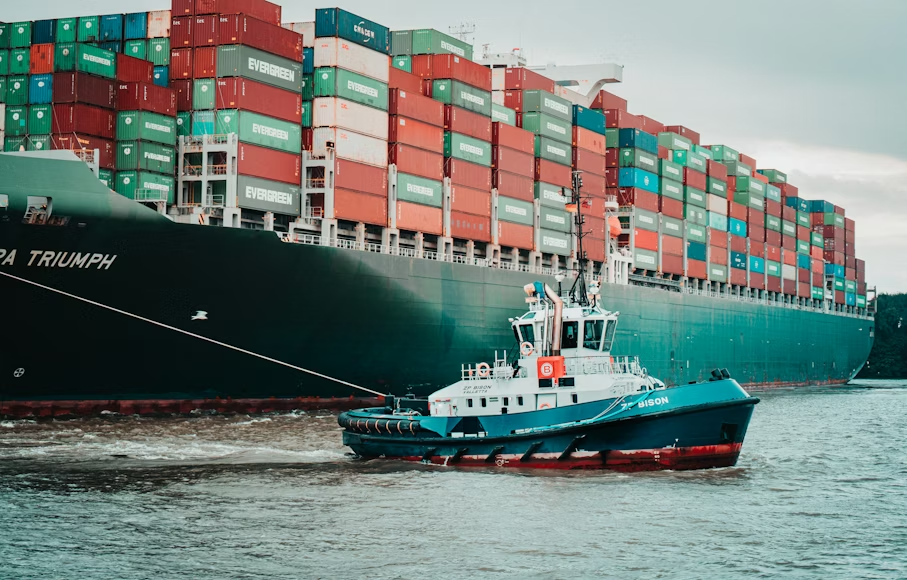






The global ocean freight sector experienced an unprecedented decline in vessel demolition in 2025, with the number of container ships scrapped dropping to its lowest level in two decades. Industry analysts point to sustained demand for capacity and strong charter rates as key factors encouraging shipowners to keep ageing vessels in service rather than send them for recycling.
New data from maritime research firms indicates that only a small handful of container ships — mostly older and smaller units — were sold for dismantling last year. In contrast to the comparatively high recycling volumes seen earlier in the decade, the share of recycled capacity fell dramatically as carriers opted to leverage favourable freight markets and ample demand for tonnage.
The composition of scrapped vessels reflects this shift. Most of the ships heading to scrapyards were aged 20 years or more, with the majority below 1,000 TEU in capacity and a handful of larger legacy units also being retired. Despite their age, many operators chose to keep older tonnage active given the ongoing strength of freight rates and profitable charter opportunities.
This trend has prompted industry forecasts suggesting future oversupply risks if demolition remains subdued while newbuild orders continue to swell. Analysts warn that a backlog of ageing capacity could contribute to structural imbalances once market conditions normalise, particularly if freight demand softens.
Market observers will be watching closely to see whether scrapping activity rebounds in the coming year as vessels age further and regulatory and efficiency pressures mount on older ships.
#BreakingNews #ShippingNews #SupplyChain #MaritimeUpdate #IndustryTrends