





Global health experts are calling for greater investment in logistics resilience, warning that life-saving medicines and medical supplies are only effective if they reach patients when they are needed. As geopolitical conflicts, climate events, and transportation disruptions become more frequent, strengthening humanitarian supply chains is emerging as a critical global priority.
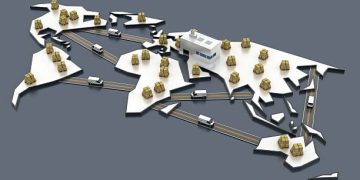
Recent supply chain disruptions have delayed the delivery of essential health products, highlighting vulnerabilities in freight networks, port operations, fuel availability, cold-chain logistics, and last-mile distribution. These challenges can leave clinics without critical supplies despite adequate production and procurement.
To address these risks, experts have proposed establishing a Humanitarian Logistics Shock Facility—a pre-funded mechanism designed to rapidly finance emergency transportation, cold-chain protection, fuel, and last-mile delivery whenever supply chain disruptions occur. The initiative aims to ensure essential medicines, vaccines, and nutritional products continue reaching vulnerable communities during crises.
As global trade routes face increasing uncertainty, strengthening logistics infrastructure alongside healthcare systems will be essential to building more resilient supply chains capable of supporting timely humanitarian response and protecting public health worldwide.
#SupplyChain #HumanitarianLogistics #GlobalHealth #HealthcareLogistics #ResilientSupplyChains #ColdChain #EmergencyLogistics #GlobalTrade #PublicHealth #Logistics