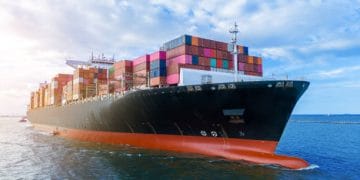






Disruptions across major maritime corridors are reshaping global shipping patterns and highlighting the importance of resilient logistics networks, diversified trade routes and stronger risk-management strategies.
Shipping activity across the Black Sea, Red Sea and Strait of Hormuz has faced increased disruption, leading vessels to take longer routes and contributing to higher freight, fuel and insurance costs.
Traffic through the Suez Canal has fallen significantly as some vessels are rerouted around the Cape of Good Hope, adding transit time and operating costs. Meanwhile, risks around key energy and commodity corridors are creating additional uncertainty for global markets.
For supply chains, these developments underline the growing importance of route diversification, contingency planning and real-time visibility. Companies are increasingly required to prepare alternative transportation options and build greater flexibility into logistics networks.
The disruptions also reinforce the strategic importance of maritime infrastructure and secure trade corridors. Strengthening ports, multimodal connections and alternative routes can help businesses maintain cargo flows when traditional shipping lanes face interruptions.
As global trade networks become more exposed to geopolitical and climate-related risks, investment in resilient logistics infrastructure and adaptive supply chain strategies will remain essential to maintaining reliable movement of goods.
#SupplyChain #Logistics #MaritimeTrade #Shipping #GlobalTrade #SupplyChainResilience #TradeRoutes #RiskManagement #Ports #InternationalTrade


