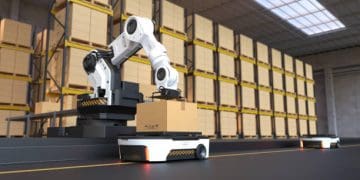







Warehouse automation and logistics technology are playing an increasingly important role in improving supply chain efficiency, as businesses seek to reduce operating costs, increase productivity and strengthen distribution networks. Practical expertise in industrial engineering, manufacturing and warehouse operations is helping organisations understand how to implement new technologies while maintaining reliable day-to-day operations.
Experience in facility design, equipment performance, preventive maintenance and continuous improvement highlights the importance of combining technological investment with effective operational planning. Optimising warehouse layouts, improving packaging processes and reducing equipment downtime can help businesses maintain consistent fulfilment operations and ensure the smooth movement of goods throughout the supply chain.
Automation technologies, including robotics, warehouse management systems and automated storage and retrieval systems, are transforming inventory handling and distribution. However, successful implementation depends on selecting solutions that match a facility’s requirements. Businesses must consider inventory characteristics, product turnover rates, storage capacity and order volumes to ensure that automation investments deliver measurable returns.
Inventory management is particularly important when evaluating automated storage systems. The size, weight and movement frequency of individual stock-keeping units can influence system performance and overall investment value. Assessing these factors before adopting automation can help companies avoid costly mismatches between technology and operational needs while improving warehouse productivity.
Digital tools are also creating opportunities to improve workforce communication and collaboration. Real-time voice translation technology, for example, may help reduce language barriers in warehouses, supporting clearer instructions, safer working conditions and more efficient teamwork. As logistics operations become increasingly technology-driven, employee training and technical skills development will remain essential for operating and maintaining advanced equipment.
Ultimately, supply chain innovation requires more than adopting new machinery or software. Businesses must integrate technology with effective processes, skilled employees, reliable maintenance and informed investment decisions. By aligning automation strategies with operational requirements, organisations can improve distribution performance, strengthen supply chain resilience and respond more effectively to changing market demands.
#SupplyChain #Logistics #WarehouseAutomation #SupplyChainTechnology #InventoryManagement #IndustrialEngineering #OperationalEfficiency #SupplyChainResilience