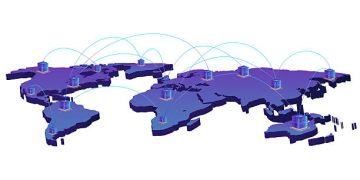






Latin America is at a pivotal stage in strengthening its supply chain capabilities as evolving global trade patterns increase demand for faster, more integrated logistics networks. While experienced logistics teams have long relied on manual coordination and relationship-based solutions to keep cargo moving, growing trade volumes are driving the need for more connected and scalable operations.
As shipments move from ports to inland destinations, fragmented coordination, customs delays, documentation challenges, and transportation bottlenecks can disrupt the flow of goods. These issues highlight the importance of improving visibility, digital collaboration, and end-to-end coordination across the logistics network.
A more connected ocean-to-inland logistics model can help streamline cargo movement, improve shipment reliability, and reduce operational complexity. By integrating transportation, customs processes, and inland distribution, businesses can build more resilient supply chains that are better equipped to support regional manufacturing, exports, and international trade.
As Latin America continues to expand its role in global supply chains, investment in digital logistics and connected transportation networks will be essential to improving efficiency, enhancing trade competitiveness, and supporting long-term economic growth.
#SupplyChain #LatinAmerica #Logistics #GlobalTrade #DigitalLogistics #Transportation #SupplyChainResilience #TradeConnectivity #Infrastructure #Freight