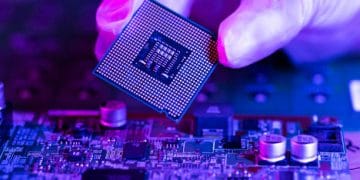






Taiwan and South Korea are taking measures to protect semiconductor supply chains as global disruptions highlight the importance of energy security, diversified sourcing, and resilient manufacturing networks.
The semiconductor industry relies heavily on stable energy supplies and critical materials, including specialty gases and petrochemical inputs needed for chip production. Recent geopolitical challenges have increased concerns over potential disruptions, encouraging major chip-producing economies to strengthen supply chain strategies.
Taiwan has focused on expanding energy sources, increasing strategic reserves, and building a more diversified production network through international partnerships. Meanwhile, South Korea has prioritized government-led measures to secure raw materials, support manufacturers, and reduce dependence on limited supply sources.
Both economies are also investing in cleaner energy solutions, supply diversification, and advanced manufacturing capabilities to improve resilience. These efforts reflect a broader shift in the semiconductor industry from prioritizing efficiency alone toward building more flexible and secure supply networks.
As demand for semiconductors continues to grow across industries such as artificial intelligence, electronics, and advanced technologies, strengthening energy and material supply chains remains a key priority for maintaining global production stability.
#Taiwan #SouthKorea #Semiconductors #SupplyChain #EnergySecurity #TechnologyTrade