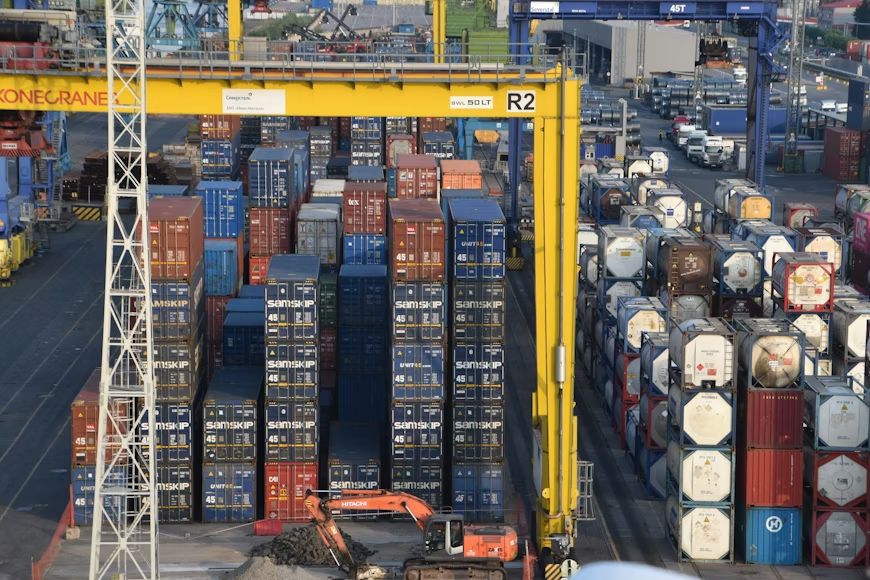







U.S. maritime authorities have launched a formal investigation into whether ocean carriers are imposing unfair restrictions on truckers and shippers by limiting their ability to choose chassis providers for container movements. The probe was announced in late January as concerns grow about competitive practices in the chassis segment of the port and logistics ecosystem.
The inquiry centers on whether carriers are using association rules, service contracts or terminal agreements to influence which chassis leasing firms truckers and cargo owners can use — potentially in violation of federal shipping law. Though carriers no longer directly own large chassis fleets, critics argue that indirect controls remain through so-called “gray pool” arrangements and terminal practices that effectively steer business to particular lessors.
Regulators are particularly focused on whether these practices unjustly restrict competition and limit the ability of motor carriers and shippers to negotiate with their chosen chassis providers. Such restrictions, if confirmed, could run afoul of the U.S. Shipping Act, which prohibits unjust or unreasonable limitations on the ability of stakeholders to access essential transport equipment.
Stakeholders in the freight and trucking sectors have argued that limited chassis choice drives up costs, reduces bargaining power for motor carriers, and contributes to operational inefficiencies at major ports — issues that have been highlighted in recent years as supply chains strive for greater resilience.
Public comments on the inquiry are being invited through the Federal Register, with a deadline set for late March 2026. Depending on the findings, the investigation could lead to enforcement actions, fines or revisions to regulatory guidance aimed at bolstering competition and equipment access in the U.S. intermodal transport system.
BreakingNews #SupplyChainNews #LogisticsUpdate #RegulatoryNews #FreightIndustry