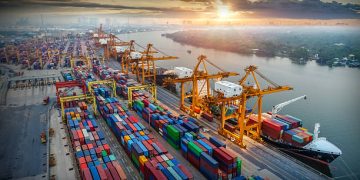






China’s strong foreign trade performance in the first half of 2026 is expected to provide continued support for global supply chains, with rising imports, resilient exports, and innovation-driven manufacturing strengthening the country’s role in international trade and industrial connectivity.
According to official customs data, China’s total trade in goods reached 25.47 trillion yuan during the first six months of the year, representing a 16.9% increase compared with the same period in 2025. Imports grew by 22.1%, outpacing export growth of 13.4%, reflecting a more balanced trade structure that supports both domestic demand and global supply chain resilience.
The latest figures indicate that China’s supply chain capabilities continue to evolve beyond traditional manufacturing, with stronger demand for high-value and technology-driven products. Exports of computing hardware, electronic components, and computer parts recorded significant growth, while shipments of green technologies and advanced industrial products also expanded, reflecting increasing global demand for innovation-based manufacturing.
Industry analysts said continued investment in artificial intelligence, smart technologies, and advanced manufacturing is strengthening China’s position within global supply chains. The country’s expanding production of intelligent devices and next-generation industrial technologies is helping meet growing international demand while supporting supply chain diversification across multiple sectors.
Despite expectations of continued trade growth in the second half of the year, supply chains remain exposed to external risks, including geopolitical tensions, energy market volatility, and potential trade disputes. However, economists believe China’s diversified industrial base and manufacturing capacity will help mitigate disruptions by providing reliable production and filling supply gaps across key industries.
The country’s integrated manufacturing ecosystem has already demonstrated its ability to support global supply chains during recent disruptions, particularly in the supply of chemicals, industrial materials, and technology products. Increased exports of organic chemicals and primary plastics have helped sustain manufacturing activity in overseas markets facing supply shortages.
At the same time, continued market opening and growing domestic demand are creating new opportunities for international businesses operating in China. Foreign-invested enterprises recorded sustained growth in import and export activity during the first half of the year, reflecting continued confidence in China’s role as both a major consumer market and an important manufacturing and export base.
As businesses continue to diversify sourcing strategies and strengthen supply chain resilience, China’s combination of manufacturing capacity, technological innovation, and expanding trade is expected to remain a significant contributor to global logistics, industrial production, and international commerce throughout the remainder of 2026.
#SupplyChain #GlobalTrade #Logistics #Manufacturing #InternationalTrade #SupplyChainResilience #Imports #Exports #IndustrialProduction #TradeGrowth #DigitalSupplyChain #Freight #Technology #GlobalLogistics