





South Korea is accelerating its clean energy and infrastructure investments as surging demand from artificial intelligence, semiconductor manufacturing and data centres increases pressure on electricity and water resources.
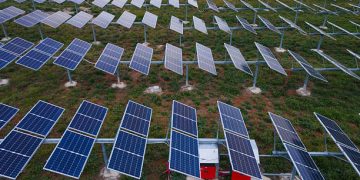
The country plans to add more than 10 GW of solar capacity in 2027, supporting a broader goal of reaching 100 GW of renewable energy capacity by 2030. The government is also advancing offshore wind and considering rooftop solar requirements for factories.
To support expanding industrial supply chains, South Korea plans to accelerate high-voltage transmission infrastructure, introduce more flexible electricity pricing for industrial users and develop dedicated tariffs for AI data centres.
Water infrastructure is also being strengthened through expanded pipelines, treated wastewater reuse and improved emergency water transfers. These measures are expected to support semiconductor facilities and other advanced industries while improving resource resilience.
The combined investments in renewable energy, power networks and water infrastructure could strengthen South Korea’s ability to support AI and semiconductor supply chains while advancing its broader green transition.
#SupplyChain #SouthKorea #AI #Semiconductors #RenewableEnergy #SolarEnergy #Manufacturing #DataCenters #CleanEnergy #Logistics #Sustainability