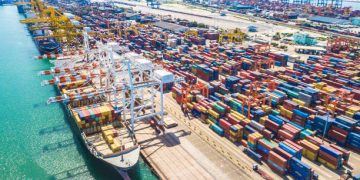




US President Donald Trump has announced a significant increase in tariffs on imports from South Korea, raising them to 25% after accusing Seoul of failing to fully comply with a trade agreement reached last year.
In a social media statement, Trump said the tariff hike would apply to a broad range of products, including automobiles, timber, pharmaceuticals, and other goods covered under what he described as “reciprocal tariffs.” The previous tariff rate stood at 15%.
According to Trump, the United States has already taken steps to lower its tariffs as agreed under the deal, while South Korea has been slow to move forward with its commitments. He criticized South Korean lawmakers for delays in approving the agreement, saying Washington had acted “swiftly” while Seoul had not.
South Korean officials responded by stating they had not received formal notification from the US regarding the tariff increase. The government said it was seeking immediate discussions with Washington to clarify the situation and address the issue.
South Korea’s Industry Minister, Kim Jung-kwan, who is currently in Canada, is expected to travel to Washington as soon as possible to meet with US Commerce Secretary Howard Lutnick. The talks aim to resolve the dispute and prevent further escalation.
The announcement initially unsettled South Korean markets, with the benchmark Kospi index falling early in Tuesday’s session. However, shares later recovered, ending the day about 1.8% higher as investors regained confidence in major export-driven companies.
The tariff dispute comes despite a bilateral agreement reached in October, under which South Korea committed to investing approximately $350 billion in the US economy, including funding for shipbuilding projects. In November, both countries also agreed that the US would reduce tariffs on certain products once South Korea began the domestic approval process for the deal.
That agreement was formally submitted to South Korea’s National Assembly on 26 November and remains under review. Local media reports suggest it is likely to be approved in February.
Tariffs are paid by importing companies, meaning US businesses will bear the cost of the 25% tax on goods sourced from South Korea.
Trump has repeatedly used tariffs as a tool to influence foreign policy during his second term in office. Over the weekend, he threatened to impose a 100% tariff on Canadian goods if Ottawa pursued a trade agreement with China.
Chinese officials later said that Canada’s “strategic partnership” with Beijing was not intended to undermine other nations. Canadian Prime Minister Mark Carney emphasized that Canada was not seeking a free trade deal with China and had clearly communicated this stance to US officials.
Earlier, Trump also threatened to levy import taxes on eight countries, including the United Kingdom, over opposition to US proposals involving Greenland, an autonomous territory within the Kingdom of Denmark and a NATO member. Although he later withdrew the tariff threat, citing progress toward a future agreement, the episode strained relations between the US and several of its allies.
#GlobalTrade #TariffsAndDuties #USTradePolicy #SouthKoreaTrade #InternationalRelations


